Every word is available to listen to. Dictionary details are shown only when verified; these are not licensed Oxford entries.
AdeterminerUS /ə/
used before a singular noun to mean one of a group, when it is not a particular one
From this reading CONCERNING A CIVIL PRINCIPALITY But coming to the other point—where a leading citizen becomes the prince of his country, not by wickedness or any intolerable violence, but by the favour of his fellow citizens—this may be called a civil principality: nor is genius or fortune altogether necessary to attain to it, but rather a happy shrewdness.
accordingly
Dictionary entry pending editorial verification. Tap Listen to hear the word.
From this reading A principality is created either by the people or by the nobles, accordingly as one or other of them has the opportunity; for the nobles, seeing they cannot withstand the people, begin to cry up the reputation of one of themselves, and they make him a prince, so that under his shadow they can give vent to their ambitions.
all
Dictionary entry pending editorial verification. Tap Listen to hear the word.
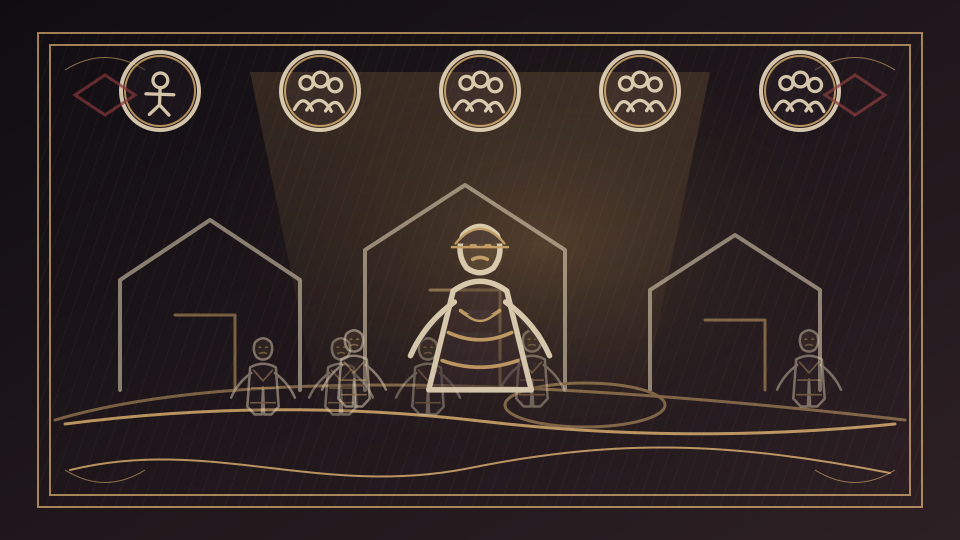
From this reading Because in all cities these two distinct parties are found, and from this it arises that the people do not wish to be ruled nor oppressed by the nobles, and the nobles wish to rule and oppress the people; and from these two opposite desires there arises in cities one of three results, either a principality, self-government, or anarchy.
also
Dictionary entry pending editorial verification. Tap Listen to hear the word.
From this reading The people, finding they cannot resist the nobles, also cry up the reputation of one of themselves, and make him a prince so as to be defended by his authority.
altogether
Dictionary entry pending editorial verification. Tap Listen to hear the word.
From this reading CONCERNING A CIVIL PRINCIPALITY But coming to the other point—where a leading citizen becomes the prince of his country, not by wickedness or any intolerable violence, but by the favour of his fellow citizens—this may be called a civil principality: nor is genius or fortune altogether necessary to attain to it, but rather a happy shrewdness.
ambitions
Dictionary entry pending editorial verification. Tap Listen to hear the word.
From this reading A principality is created either by the people or by the nobles, accordingly as one or other of them has the opportunity; for the nobles, seeing they cannot withstand the people, begin to cry up the reputation of one of themselves, and they make him a prince, so that under his shadow they can give vent to their ambitions.
anarchy
Dictionary entry pending editorial verification. Tap Listen to hear the word.
From this reading Because in all cities these two distinct parties are found, and from this it arises that the people do not wish to be ruled nor oppressed by the nobles, and the nobles wish to rule and oppress the people; and from these two opposite desires there arises in cities one of three results, either a principality, self-government, or anarchy.
andconjunctionUS /ənd/
used to join words or parts of a sentence that go together
From this reading Because in all cities these two distinct parties are found, and from this it arises that the people do not wish to be ruled nor oppressed by the nobles, and the nobles wish to rule and oppress the people; and from these two opposite desires there arises in cities one of three results, either a principality, self-government, or anarchy.
any
Dictionary entry pending editorial verification. Tap Listen to hear the word.
From this reading CONCERNING A CIVIL PRINCIPALITY But coming to the other point—where a leading citizen becomes the prince of his country, not by wickedness or any intolerable violence, but by the favour of his fellow citizens—this may be called a civil principality: nor is genius or fortune altogether necessary to attain to it, but rather a happy shrewdness.
areauxiliary verbUS /ɑːr/
the form of “be” used with you, we, they, or a plural noun
From this reading Because in all cities these two distinct parties are found, and from this it arises that the people do not wish to be ruled nor oppressed by the nobles, and the nobles wish to rule and oppress the people; and from these two opposite desires there arises in cities one of three results, either a principality, self-government, or anarchy.
arises
Dictionary entry pending editorial verification. Tap Listen to hear the word.
From this reading Because in all cities these two distinct parties are found, and from this it arises that the people do not wish to be ruled nor oppressed by the nobles, and the nobles wish to rule and oppress the people; and from these two opposite desires there arises in cities one of three results, either a principality, self-government, or anarchy.
asconjunctionUS /æz/
at the same time that; because; in the way that
From this reading A principality is created either by the people or by the nobles, accordingly as one or other of them has the opportunity; for the nobles, seeing they cannot withstand the people, begin to cry up the reputation of one of themselves, and they make him a prince, so that under his shadow they can give vent to their ambitions.
attain
Dictionary entry pending editorial verification. Tap Listen to hear the word.
From this reading CONCERNING A CIVIL PRINCIPALITY But coming to the other point—where a leading citizen becomes the prince of his country, not by wickedness or any intolerable violence, but by the favour of his fellow citizens—this may be called a civil principality: nor is genius or fortune altogether necessary to attain to it, but rather a happy shrewdness.
authority
Dictionary entry pending editorial verification. Tap Listen to hear the word.
From this reading The people, finding they cannot resist the nobles, also cry up the reputation of one of themselves, and make him a prince so as to be defended by his authority.
beauxiliary verbUS /biː/
used with a past participle to form the passive, or with -ing for continuous tenses
From this reading CONCERNING A CIVIL PRINCIPALITY But coming to the other point—where a leading citizen becomes the prince of his country, not by wickedness or any intolerable violence, but by the favour of his fellow citizens—this may be called a civil principality: nor is genius or fortune altogether necessary to attain to it, but rather a happy shrewdness.
BecauseconjunctionUS /bɪˈkɔːz/
for the reason that
From this reading Because in all cities these two distinct parties are found, and from this it arises that the people do not wish to be ruled nor oppressed by the nobles, and the nobles wish to rule and oppress the people; and from these two opposite desires there arises in cities one of three results, either a principality, self-government, or anarchy.
becomes
Dictionary entry pending editorial verification. Tap Listen to hear the word.
From this reading CONCERNING A CIVIL PRINCIPALITY But coming to the other point—where a leading citizen becomes the prince of his country, not by wickedness or any intolerable violence, but by the favour of his fellow citizens—this may be called a civil principality: nor is genius or fortune altogether necessary to attain to it, but rather a happy shrewdness.
begin
Dictionary entry pending editorial verification. Tap Listen to hear the word.
From this reading A principality is created either by the people or by the nobles, accordingly as one or other of them has the opportunity; for the nobles, seeing they cannot withstand the people, begin to cry up the reputation of one of themselves, and they make him a prince, so that under his shadow they can give vent to their ambitions.
ButconjunctionUS /bʌt/
used to introduce something that contrasts with what came before
From this reading CONCERNING A CIVIL PRINCIPALITY But coming to the other point—where a leading citizen becomes the prince of his country, not by wickedness or any intolerable violence, but by the favour of his fellow citizens—this may be called a civil principality: nor is genius or fortune altogether necessary to attain to it, but rather a happy shrewdness.
byprepositionUS /baɪ/
showing who or what does the action
From this reading CONCERNING A CIVIL PRINCIPALITY But coming to the other point—where a leading citizen becomes the prince of his country, not by wickedness or any intolerable violence, but by the favour of his fellow citizens—this may be called a civil principality: nor is genius or fortune altogether necessary to attain to it, but rather a happy shrewdness.
called
Dictionary entry pending editorial verification. Tap Listen to hear the word.
From this reading CONCERNING A CIVIL PRINCIPALITY But coming to the other point—where a leading citizen becomes the prince of his country, not by wickedness or any intolerable violence, but by the favour of his fellow citizens—this may be called a civil principality: nor is genius or fortune altogether necessary to attain to it, but rather a happy shrewdness.
canmodal verbUS /kæn/
to be able to, or to be allowed to
From this reading A principality is created either by the people or by the nobles, accordingly as one or other of them has the opportunity; for the nobles, seeing they cannot withstand the people, begin to cry up the reputation of one of themselves, and they make him a prince, so that under his shadow they can give vent to their ambitions.
cannot
Dictionary entry pending editorial verification. Tap Listen to hear the word.
From this reading A principality is created either by the people or by the nobles, accordingly as one or other of them has the opportunity; for the nobles, seeing they cannot withstand the people, begin to cry up the reputation of one of themselves, and they make him a prince, so that under his shadow they can give vent to their ambitions.
cities
Dictionary entry pending editorial verification. Tap Listen to hear the word.
From this reading Because in all cities these two distinct parties are found, and from this it arises that the people do not wish to be ruled nor oppressed by the nobles, and the nobles wish to rule and oppress the people; and from these two opposite desires there arises in cities one of three results, either a principality, self-government, or anarchy.
citizen
Dictionary entry pending editorial verification. Tap Listen to hear the word.
From this reading CONCERNING A CIVIL PRINCIPALITY But coming to the other point—where a leading citizen becomes the prince of his country, not by wickedness or any intolerable violence, but by the favour of his fellow citizens—this may be called a civil principality: nor is genius or fortune altogether necessary to attain to it, but rather a happy shrewdness.
citizens
Dictionary entry pending editorial verification. Tap Listen to hear the word.
From this reading CONCERNING A CIVIL PRINCIPALITY But coming to the other point—where a leading citizen becomes the prince of his country, not by wickedness or any intolerable violence, but by the favour of his fellow citizens—this may be called a civil principality: nor is genius or fortune altogether necessary to attain to it, but rather a happy shrewdness.
CIVIL
Dictionary entry pending editorial verification. Tap Listen to hear the word.
From this reading CONCERNING A CIVIL PRINCIPALITY But coming to the other point—where a leading citizen becomes the prince of his country, not by wickedness or any intolerable violence, but by the favour of his fellow citizens—this may be called a civil principality: nor is genius or fortune altogether necessary to attain to it, but rather a happy shrewdness.
coming
Dictionary entry pending editorial verification. Tap Listen to hear the word.
From this reading CONCERNING A CIVIL PRINCIPALITY But coming to the other point—where a leading citizen becomes the prince of his country, not by wickedness or any intolerable violence, but by the favour of his fellow citizens—this may be called a civil principality: nor is genius or fortune altogether necessary to attain to it, but rather a happy shrewdness.
CONCERNING
Dictionary entry pending editorial verification. Tap Listen to hear the word.
From this reading CONCERNING A CIVIL PRINCIPALITY But coming to the other point—where a leading citizen becomes the prince of his country, not by wickedness or any intolerable violence, but by the favour of his fellow citizens—this may be called a civil principality: nor is genius or fortune altogether necessary to attain to it, but rather a happy shrewdness.
country
Dictionary entry pending editorial verification. Tap Listen to hear the word.
From this reading CONCERNING A CIVIL PRINCIPALITY But coming to the other point—where a leading citizen becomes the prince of his country, not by wickedness or any intolerable violence, but by the favour of his fellow citizens—this may be called a civil principality: nor is genius or fortune altogether necessary to attain to it, but rather a happy shrewdness.
created
Dictionary entry pending editorial verification. Tap Listen to hear the word.
From this reading A principality is created either by the people or by the nobles, accordingly as one or other of them has the opportunity; for the nobles, seeing they cannot withstand the people, begin to cry up the reputation of one of themselves, and they make him a prince, so that under his shadow they can give vent to their ambitions.
cry
Dictionary entry pending editorial verification. Tap Listen to hear the word.
From this reading A principality is created either by the people or by the nobles, accordingly as one or other of them has the opportunity; for the nobles, seeing they cannot withstand the people, begin to cry up the reputation of one of themselves, and they make him a prince, so that under his shadow they can give vent to their ambitions.
defended
Dictionary entry pending editorial verification. Tap Listen to hear the word.
From this reading The people, finding they cannot resist the nobles, also cry up the reputation of one of themselves, and make him a prince so as to be defended by his authority.
desires
Dictionary entry pending editorial verification. Tap Listen to hear the word.
From this reading Because in all cities these two distinct parties are found, and from this it arises that the people do not wish to be ruled nor oppressed by the nobles, and the nobles wish to rule and oppress the people; and from these two opposite desires there arises in cities one of three results, either a principality, self-government, or anarchy.
distinct
Dictionary entry pending editorial verification. Tap Listen to hear the word.
From this reading Because in all cities these two distinct parties are found, and from this it arises that the people do not wish to be ruled nor oppressed by the nobles, and the nobles wish to rule and oppress the people; and from these two opposite desires there arises in cities one of three results, either a principality, self-government, or anarchy.
doauxiliary verbUS /duː/
used to form questions and negatives, and to give emphasis
From this reading Because in all cities these two distinct parties are found, and from this it arises that the people do not wish to be ruled nor oppressed by the nobles, and the nobles wish to rule and oppress the people; and from these two opposite desires there arises in cities one of three results, either a principality, self-government, or anarchy.
eitherdeterminerUS /ˈiːðər/
one or the other of two
From this reading I say then that such a principality is obtained either by the favour of the people or by the favour of the nobles.
favour
Dictionary entry pending editorial verification. Tap Listen to hear the word.
From this reading CONCERNING A CIVIL PRINCIPALITY But coming to the other point—where a leading citizen becomes the prince of his country, not by wickedness or any intolerable violence, but by the favour of his fellow citizens—this may be called a civil principality: nor is genius or fortune altogether necessary to attain to it, but rather a happy shrewdness.
fellow
Dictionary entry pending editorial verification. Tap Listen to hear the word.
From this reading CONCERNING A CIVIL PRINCIPALITY But coming to the other point—where a leading citizen becomes the prince of his country, not by wickedness or any intolerable violence, but by the favour of his fellow citizens—this may be called a civil principality: nor is genius or fortune altogether necessary to attain to it, but rather a happy shrewdness.
finding
Dictionary entry pending editorial verification. Tap Listen to hear the word.
From this reading The people, finding they cannot resist the nobles, also cry up the reputation of one of themselves, and make him a prince so as to be defended by his authority.
forprepositionUS /fɔːr/
intended to be given to, or used by, somebody
From this reading A principality is created either by the people or by the nobles, accordingly as one or other of them has the opportunity; for the nobles, seeing they cannot withstand the people, begin to cry up the reputation of one of themselves, and they make him a prince, so that under his shadow they can give vent to their ambitions.
fortunenounUS /ˈfortune/
a story-specific word describing an important person, object, action, or idea in this passage
From this reading CONCERNING A CIVIL PRINCIPALITY But coming to the other point—where a leading citizen becomes the prince of his country, not by wickedness or any intolerable violence, but by the favour of his fellow citizens—this may be called a civil principality: nor is genius or fortune altogether necessary to attain to it, but rather a happy shrewdness.
foundnounUS /found/
an important story-specific word used in this passage
From this reading Because in all cities these two distinct parties are found, and from this it arises that the people do not wish to be ruled nor oppressed by the nobles, and the nobles wish to rule and oppress the people; and from these two opposite desires there arises in cities one of three results, either a principality, self-government, or anarchy.
fromprepositionUS /frʌm/
showing where something starts, or who sent it
From this reading Because in all cities these two distinct parties are found, and from this it arises that the people do not wish to be ruled nor oppressed by the nobles, and the nobles wish to rule and oppress the people; and from these two opposite desires there arises in cities one of three results, either a principality, self-government, or anarchy.
genius
Dictionary entry pending editorial verification. Tap Listen to hear the word.
From this reading CONCERNING A CIVIL PRINCIPALITY But coming to the other point—where a leading citizen becomes the prince of his country, not by wickedness or any intolerable violence, but by the favour of his fellow citizens—this may be called a civil principality: nor is genius or fortune altogether necessary to attain to it, but rather a happy shrewdness.
give
Dictionary entry pending editorial verification. Tap Listen to hear the word.
From this reading A principality is created either by the people or by the nobles, accordingly as one or other of them has the opportunity; for the nobles, seeing they cannot withstand the people, begin to cry up the reputation of one of themselves, and they make him a prince, so that under his shadow they can give vent to their ambitions.
happy
Dictionary entry pending editorial verification. Tap Listen to hear the word.
From this reading CONCERNING A CIVIL PRINCIPALITY But coming to the other point—where a leading citizen becomes the prince of his country, not by wickedness or any intolerable violence, but by the favour of his fellow citizens—this may be called a civil principality: nor is genius or fortune altogether necessary to attain to it, but rather a happy shrewdness.
hasauxiliary verbUS /hæz/
the form of “have” used with he, she, it, or a singular noun
From this reading A principality is created either by the people or by the nobles, accordingly as one or other of them has the opportunity; for the nobles, seeing they cannot withstand the people, begin to cry up the reputation of one of themselves, and they make him a prince, so that under his shadow they can give vent to their ambitions.
himpronounUS /hɪm/
the male already mentioned, as the object of a verb or preposition
From this reading A principality is created either by the people or by the nobles, accordingly as one or other of them has the opportunity; for the nobles, seeing they cannot withstand the people, begin to cry up the reputation of one of themselves, and they make him a prince, so that under his shadow they can give vent to their ambitions.
hisdeterminerUS /hɪz/
belonging to a man, boy, or male animal already mentioned
From this reading CONCERNING A CIVIL PRINCIPALITY But coming to the other point—where a leading citizen becomes the prince of his country, not by wickedness or any intolerable violence, but by the favour of his fellow citizens—this may be called a civil principality: nor is genius or fortune altogether necessary to attain to it, but rather a happy shrewdness.
IpronounUS /aɪ/
the person speaking or writing, as the subject of the verb
From this reading I say then that such a principality is obtained either by the favour of the people or by the favour of the nobles.
inprepositionUS /ɪn/
inside something, or within a place, period, or state
From this reading Because in all cities these two distinct parties are found, and from this it arises that the people do not wish to be ruled nor oppressed by the nobles, and the nobles wish to rule and oppress the people; and from these two opposite desires there arises in cities one of three results, either a principality, self-government, or anarchy.
intolerable
Dictionary entry pending editorial verification. Tap Listen to hear the word.
From this reading CONCERNING A CIVIL PRINCIPALITY But coming to the other point—where a leading citizen becomes the prince of his country, not by wickedness or any intolerable violence, but by the favour of his fellow citizens—this may be called a civil principality: nor is genius or fortune altogether necessary to attain to it, but rather a happy shrewdness.
isauxiliary verbUS /ɪz/
the form of “be” used with he, she, it, or a singular noun
From this reading CONCERNING A CIVIL PRINCIPALITY But coming to the other point—where a leading citizen becomes the prince of his country, not by wickedness or any intolerable violence, but by the favour of his fellow citizens—this may be called a civil principality: nor is genius or fortune altogether necessary to attain to it, but rather a happy shrewdness.
itpronounUS /ɪt/
a thing, animal, or idea already mentioned
From this reading CONCERNING A CIVIL PRINCIPALITY But coming to the other point—where a leading citizen becomes the prince of his country, not by wickedness or any intolerable violence, but by the favour of his fellow citizens—this may be called a civil principality: nor is genius or fortune altogether necessary to attain to it, but rather a happy shrewdness.
leading
Dictionary entry pending editorial verification. Tap Listen to hear the word.
From this reading CONCERNING A CIVIL PRINCIPALITY But coming to the other point—where a leading citizen becomes the prince of his country, not by wickedness or any intolerable violence, but by the favour of his fellow citizens—this may be called a civil principality: nor is genius or fortune altogether necessary to attain to it, but rather a happy shrewdness.
makenounUS /make/
an important story-specific word used in this passage
From this reading A principality is created either by the people or by the nobles, accordingly as one or other of them has the opportunity; for the nobles, seeing they cannot withstand the people, begin to cry up the reputation of one of themselves, and they make him a prince, so that under his shadow they can give vent to their ambitions.
maymodal verbUS /meɪ/
used to say something is possible, or to give permission
From this reading CONCERNING A CIVIL PRINCIPALITY But coming to the other point—where a leading citizen becomes the prince of his country, not by wickedness or any intolerable violence, but by the favour of his fellow citizens—this may be called a civil principality: nor is genius or fortune altogether necessary to attain to it, but rather a happy shrewdness.
necessary
Dictionary entry pending editorial verification. Tap Listen to hear the word.
From this reading CONCERNING A CIVIL PRINCIPALITY But coming to the other point—where a leading citizen becomes the prince of his country, not by wickedness or any intolerable violence, but by the favour of his fellow citizens—this may be called a civil principality: nor is genius or fortune altogether necessary to attain to it, but rather a happy shrewdness.
nobles
Dictionary entry pending editorial verification. Tap Listen to hear the word.
From this reading I say then that such a principality is obtained either by the favour of the people or by the favour of the nobles.
norconjunctionUS /nɔːr/
and not; used after a negative to add a second negative
From this reading CONCERNING A CIVIL PRINCIPALITY But coming to the other point—where a leading citizen becomes the prince of his country, not by wickedness or any intolerable violence, but by the favour of his fellow citizens—this may be called a civil principality: nor is genius or fortune altogether necessary to attain to it, but rather a happy shrewdness.
notadverbUS /nɑːt/
used to make a word, phrase, or sentence negative
From this reading CONCERNING A CIVIL PRINCIPALITY But coming to the other point—where a leading citizen becomes the prince of his country, not by wickedness or any intolerable violence, but by the favour of his fellow citizens—this may be called a civil principality: nor is genius or fortune altogether necessary to attain to it, but rather a happy shrewdness.
obtained
Dictionary entry pending editorial verification. Tap Listen to hear the word.
From this reading I say then that such a principality is obtained either by the favour of the people or by the favour of the nobles.
ofprepositionUS /ʌv/
belonging to, or connected with, somebody or something
From this reading CONCERNING A CIVIL PRINCIPALITY But coming to the other point—where a leading citizen becomes the prince of his country, not by wickedness or any intolerable violence, but by the favour of his fellow citizens—this may be called a civil principality: nor is genius or fortune altogether necessary to attain to it, but rather a happy shrewdness.
onepronounUS /wʌn/
used to mean any person in general, including the speaker
From this reading Because in all cities these two distinct parties are found, and from this it arises that the people do not wish to be ruled nor oppressed by the nobles, and the nobles wish to rule and oppress the people; and from these two opposite desires there arises in cities one of three results, either a principality, self-government, or anarchy.
opportunity
Dictionary entry pending editorial verification. Tap Listen to hear the word.
From this reading A principality is created either by the people or by the nobles, accordingly as one or other of them has the opportunity; for the nobles, seeing they cannot withstand the people, begin to cry up the reputation of one of themselves, and they make him a prince, so that under his shadow they can give vent to their ambitions.
opposite
Dictionary entry pending editorial verification. Tap Listen to hear the word.
From this reading Because in all cities these two distinct parties are found, and from this it arises that the people do not wish to be ruled nor oppressed by the nobles, and the nobles wish to rule and oppress the people; and from these two opposite desires there arises in cities one of three results, either a principality, self-government, or anarchy.
oppress
Dictionary entry pending editorial verification. Tap Listen to hear the word.
From this reading Because in all cities these two distinct parties are found, and from this it arises that the people do not wish to be ruled nor oppressed by the nobles, and the nobles wish to rule and oppress the people; and from these two opposite desires there arises in cities one of three results, either a principality, self-government, or anarchy.
oppressed
Dictionary entry pending editorial verification. Tap Listen to hear the word.
From this reading Because in all cities these two distinct parties are found, and from this it arises that the people do not wish to be ruled nor oppressed by the nobles, and the nobles wish to rule and oppress the people; and from these two opposite desires there arises in cities one of three results, either a principality, self-government, or anarchy.
orconjunctionUS /ɔːr/
used to join alternatives or possibilities
From this reading CONCERNING A CIVIL PRINCIPALITY But coming to the other point—where a leading citizen becomes the prince of his country, not by wickedness or any intolerable violence, but by the favour of his fellow citizens—this may be called a civil principality: nor is genius or fortune altogether necessary to attain to it, but rather a happy shrewdness.
other
Dictionary entry pending editorial verification. Tap Listen to hear the word.
From this reading CONCERNING A CIVIL PRINCIPALITY But coming to the other point—where a leading citizen becomes the prince of his country, not by wickedness or any intolerable violence, but by the favour of his fellow citizens—this may be called a civil principality: nor is genius or fortune altogether necessary to attain to it, but rather a happy shrewdness.
parties
Dictionary entry pending editorial verification. Tap Listen to hear the word.
From this reading Because in all cities these two distinct parties are found, and from this it arises that the people do not wish to be ruled nor oppressed by the nobles, and the nobles wish to rule and oppress the people; and from these two opposite desires there arises in cities one of three results, either a principality, self-government, or anarchy.
people
Dictionary entry pending editorial verification. Tap Listen to hear the word.
From this reading I say then that such a principality is obtained either by the favour of the people or by the favour of the nobles.
pointnounUS /pɔɪnt/
the main matter or purpose being discussed
From this reading CONCERNING A CIVIL PRINCIPALITY But coming to the other point—where a leading citizen becomes the prince of his country, not by wickedness or any intolerable violence, but by the favour of his fellow citizens—this may be called a civil principality: nor is genius or fortune altogether necessary to attain to it, but rather a happy shrewdness.
prince
Dictionary entry pending editorial verification. Tap Listen to hear the word.
From this reading CONCERNING A CIVIL PRINCIPALITY But coming to the other point—where a leading citizen becomes the prince of his country, not by wickedness or any intolerable violence, but by the favour of his fellow citizens—this may be called a civil principality: nor is genius or fortune altogether necessary to attain to it, but rather a happy shrewdness.
PRINCIPALITY
Dictionary entry pending editorial verification. Tap Listen to hear the word.
From this reading CONCERNING A CIVIL PRINCIPALITY But coming to the other point—where a leading citizen becomes the prince of his country, not by wickedness or any intolerable violence, but by the favour of his fellow citizens—this may be called a civil principality: nor is genius or fortune altogether necessary to attain to it, but rather a happy shrewdness.
rather
Dictionary entry pending editorial verification. Tap Listen to hear the word.
From this reading CONCERNING A CIVIL PRINCIPALITY But coming to the other point—where a leading citizen becomes the prince of his country, not by wickedness or any intolerable violence, but by the favour of his fellow citizens—this may be called a civil principality: nor is genius or fortune altogether necessary to attain to it, but rather a happy shrewdness.
reputation
Dictionary entry pending editorial verification. Tap Listen to hear the word.
From this reading A principality is created either by the people or by the nobles, accordingly as one or other of them has the opportunity; for the nobles, seeing they cannot withstand the people, begin to cry up the reputation of one of themselves, and they make him a prince, so that under his shadow they can give vent to their ambitions.
resist
Dictionary entry pending editorial verification. Tap Listen to hear the word.
From this reading The people, finding they cannot resist the nobles, also cry up the reputation of one of themselves, and make him a prince so as to be defended by his authority.
results
Dictionary entry pending editorial verification. Tap Listen to hear the word.
From this reading Because in all cities these two distinct parties are found, and from this it arises that the people do not wish to be ruled nor oppressed by the nobles, and the nobles wish to rule and oppress the people; and from these two opposite desires there arises in cities one of three results, either a principality, self-government, or anarchy.
rule
Dictionary entry pending editorial verification. Tap Listen to hear the word.
From this reading Because in all cities these two distinct parties are found, and from this it arises that the people do not wish to be ruled nor oppressed by the nobles, and the nobles wish to rule and oppress the people; and from these two opposite desires there arises in cities one of three results, either a principality, self-government, or anarchy.
ruled
Dictionary entry pending editorial verification. Tap Listen to hear the word.
From this reading Because in all cities these two distinct parties are found, and from this it arises that the people do not wish to be ruled nor oppressed by the nobles, and the nobles wish to rule and oppress the people; and from these two opposite desires there arises in cities one of three results, either a principality, self-government, or anarchy.
say
Dictionary entry pending editorial verification. Tap Listen to hear the word.
From this reading I say then that such a principality is obtained either by the favour of the people or by the favour of the nobles.
seeing
Dictionary entry pending editorial verification. Tap Listen to hear the word.
From this reading A principality is created either by the people or by the nobles, accordingly as one or other of them has the opportunity; for the nobles, seeing they cannot withstand the people, begin to cry up the reputation of one of themselves, and they make him a prince, so that under his shadow they can give vent to their ambitions.
self-government
Dictionary entry pending editorial verification. Tap Listen to hear the word.
From this reading Because in all cities these two distinct parties are found, and from this it arises that the people do not wish to be ruled nor oppressed by the nobles, and the nobles wish to rule and oppress the people; and from these two opposite desires there arises in cities one of three results, either a principality, self-government, or anarchy.
shadownounUS /ˈʃæd.oʊ/
A dark area or shape produced by a body coming between rays of light and a surface.
From this reading A principality is created either by the people or by the nobles, accordingly as one or other of them has the opportunity; for the nobles, seeing they cannot withstand the people, begin to cry up the reputation of one of themselves, and they make him a prince, so that under his shadow they can give vent to their ambitions.
shrewdness
Dictionary entry pending editorial verification. Tap Listen to hear the word.
From this reading CONCERNING A CIVIL PRINCIPALITY But coming to the other point—where a leading citizen becomes the prince of his country, not by wickedness or any intolerable violence, but by the favour of his fellow citizens—this may be called a civil principality: nor is genius or fortune altogether necessary to attain to it, but rather a happy shrewdness.
soconjunctionUS /soʊ/
for that reason; with the result that
From this reading A principality is created either by the people or by the nobles, accordingly as one or other of them has the opportunity; for the nobles, seeing they cannot withstand the people, begin to cry up the reputation of one of themselves, and they make him a prince, so that under his shadow they can give vent to their ambitions.
suchdeterminerUS /sʌtʃ/
of the kind already mentioned
From this reading I say then that such a principality is obtained either by the favour of the people or by the favour of the nobles.
thatconjunctionUS /ðæt/
used to introduce what somebody said, thought, or felt
From this reading I say then that such a principality is obtained either by the favour of the people or by the favour of the nobles.
thedeterminerUS /ðə/
used before a noun that is already known, already mentioned, or the only one of its kind
From this reading CONCERNING A CIVIL PRINCIPALITY But coming to the other point—where a leading citizen becomes the prince of his country, not by wickedness or any intolerable violence, but by the favour of his fellow citizens—this may be called a civil principality: nor is genius or fortune altogether necessary to attain to it, but rather a happy shrewdness.
theirdeterminerUS /ðer/
belonging to the people or things already mentioned
From this reading A principality is created either by the people or by the nobles, accordingly as one or other of them has the opportunity; for the nobles, seeing they cannot withstand the people, begin to cry up the reputation of one of themselves, and they make him a prince, so that under his shadow they can give vent to their ambitions.
thempronounUS /ðem/
the people or things already mentioned, as the object
From this reading A principality is created either by the people or by the nobles, accordingly as one or other of them has the opportunity; for the nobles, seeing they cannot withstand the people, begin to cry up the reputation of one of themselves, and they make him a prince, so that under his shadow they can give vent to their ambitions.
themselvespronounUS /ðemˈselvz/
used when the people doing the action are also its object
From this reading A principality is created either by the people or by the nobles, accordingly as one or other of them has the opportunity; for the nobles, seeing they cannot withstand the people, begin to cry up the reputation of one of themselves, and they make him a prince, so that under his shadow they can give vent to their ambitions.
then
Dictionary entry pending editorial verification. Tap Listen to hear the word.
From this reading I say then that such a principality is obtained either by the favour of the people or by the favour of the nobles.
there
Dictionary entry pending editorial verification. Tap Listen to hear the word.
From this reading Because in all cities these two distinct parties are found, and from this it arises that the people do not wish to be ruled nor oppressed by the nobles, and the nobles wish to rule and oppress the people; and from these two opposite desires there arises in cities one of three results, either a principality, self-government, or anarchy.
thesedeterminerUS /ðiːz/
the plural of “this”: the people or things near, or just mentioned
From this reading Because in all cities these two distinct parties are found, and from this it arises that the people do not wish to be ruled nor oppressed by the nobles, and the nobles wish to rule and oppress the people; and from these two opposite desires there arises in cities one of three results, either a principality, self-government, or anarchy.
theypronounUS /ðeɪ/
the people, animals, or things already mentioned, as the subject
From this reading A principality is created either by the people or by the nobles, accordingly as one or other of them has the opportunity; for the nobles, seeing they cannot withstand the people, begin to cry up the reputation of one of themselves, and they make him a prince, so that under his shadow they can give vent to their ambitions.
thisdeterminerUS /ðɪs/
used for a person or thing that is near, or that has just been mentioned
From this reading CONCERNING A CIVIL PRINCIPALITY But coming to the other point—where a leading citizen becomes the prince of his country, not by wickedness or any intolerable violence, but by the favour of his fellow citizens—this may be called a civil principality: nor is genius or fortune altogether necessary to attain to it, but rather a happy shrewdness.
three
Dictionary entry pending editorial verification. Tap Listen to hear the word.
From this reading Because in all cities these two distinct parties are found, and from this it arises that the people do not wish to be ruled nor oppressed by the nobles, and the nobles wish to rule and oppress the people; and from these two opposite desires there arises in cities one of three results, either a principality, self-government, or anarchy.
toparticleUS /tuː/
used before the base form of a verb to make the infinitive
From this reading CONCERNING A CIVIL PRINCIPALITY But coming to the other point—where a leading citizen becomes the prince of his country, not by wickedness or any intolerable violence, but by the favour of his fellow citizens—this may be called a civil principality: nor is genius or fortune altogether necessary to attain to it, but rather a happy shrewdness.
two
Dictionary entry pending editorial verification. Tap Listen to hear the word.
From this reading Because in all cities these two distinct parties are found, and from this it arises that the people do not wish to be ruled nor oppressed by the nobles, and the nobles wish to rule and oppress the people; and from these two opposite desires there arises in cities one of three results, either a principality, self-government, or anarchy.
underprepositionUS /ˈʌndər/
below or beneath something; less than
From this reading A principality is created either by the people or by the nobles, accordingly as one or other of them has the opportunity; for the nobles, seeing they cannot withstand the people, begin to cry up the reputation of one of themselves, and they make him a prince, so that under his shadow they can give vent to their ambitions.
up
Dictionary entry pending editorial verification. Tap Listen to hear the word.
From this reading A principality is created either by the people or by the nobles, accordingly as one or other of them has the opportunity; for the nobles, seeing they cannot withstand the people, begin to cry up the reputation of one of themselves, and they make him a prince, so that under his shadow they can give vent to their ambitions.
vent
Dictionary entry pending editorial verification. Tap Listen to hear the word.
From this reading A principality is created either by the people or by the nobles, accordingly as one or other of them has the opportunity; for the nobles, seeing they cannot withstand the people, begin to cry up the reputation of one of themselves, and they make him a prince, so that under his shadow they can give vent to their ambitions.
violence
Dictionary entry pending editorial verification. Tap Listen to hear the word.
From this reading CONCERNING A CIVIL PRINCIPALITY But coming to the other point—where a leading citizen becomes the prince of his country, not by wickedness or any intolerable violence, but by the favour of his fellow citizens—this may be called a civil principality: nor is genius or fortune altogether necessary to attain to it, but rather a happy shrewdness.
whereconjunctionUS /wer/
in or at the place that
From this reading CONCERNING A CIVIL PRINCIPALITY But coming to the other point—where a leading citizen becomes the prince of his country, not by wickedness or any intolerable violence, but by the favour of his fellow citizens—this may be called a civil principality: nor is genius or fortune altogether necessary to attain to it, but rather a happy shrewdness.
wickedness
Dictionary entry pending editorial verification. Tap Listen to hear the word.
From this reading CONCERNING A CIVIL PRINCIPALITY But coming to the other point—where a leading citizen becomes the prince of his country, not by wickedness or any intolerable violence, but by the favour of his fellow citizens—this may be called a civil principality: nor is genius or fortune altogether necessary to attain to it, but rather a happy shrewdness.
wish
Dictionary entry pending editorial verification. Tap Listen to hear the word.
From this reading Because in all cities these two distinct parties are found, and from this it arises that the people do not wish to be ruled nor oppressed by the nobles, and the nobles wish to rule and oppress the people; and from these two opposite desires there arises in cities one of three results, either a principality, self-government, or anarchy.
withstand
Dictionary entry pending editorial verification. Tap Listen to hear the word.
From this reading A principality is created either by the people or by the nobles, accordingly as one or other of them has the opportunity; for the nobles, seeing they cannot withstand the people, begin to cry up the reputation of one of themselves, and they make him a prince, so that under his shadow they can give vent to their ambitions.