
Chapter XXXII
A VANISHED CONTINENT The next morning, the 19th of February, I saw the Canadian enter my room. I expected this visit. He looked very disappointed. “Well, sir?” said he. “Well, Ned, fortune was against us yesterday.”
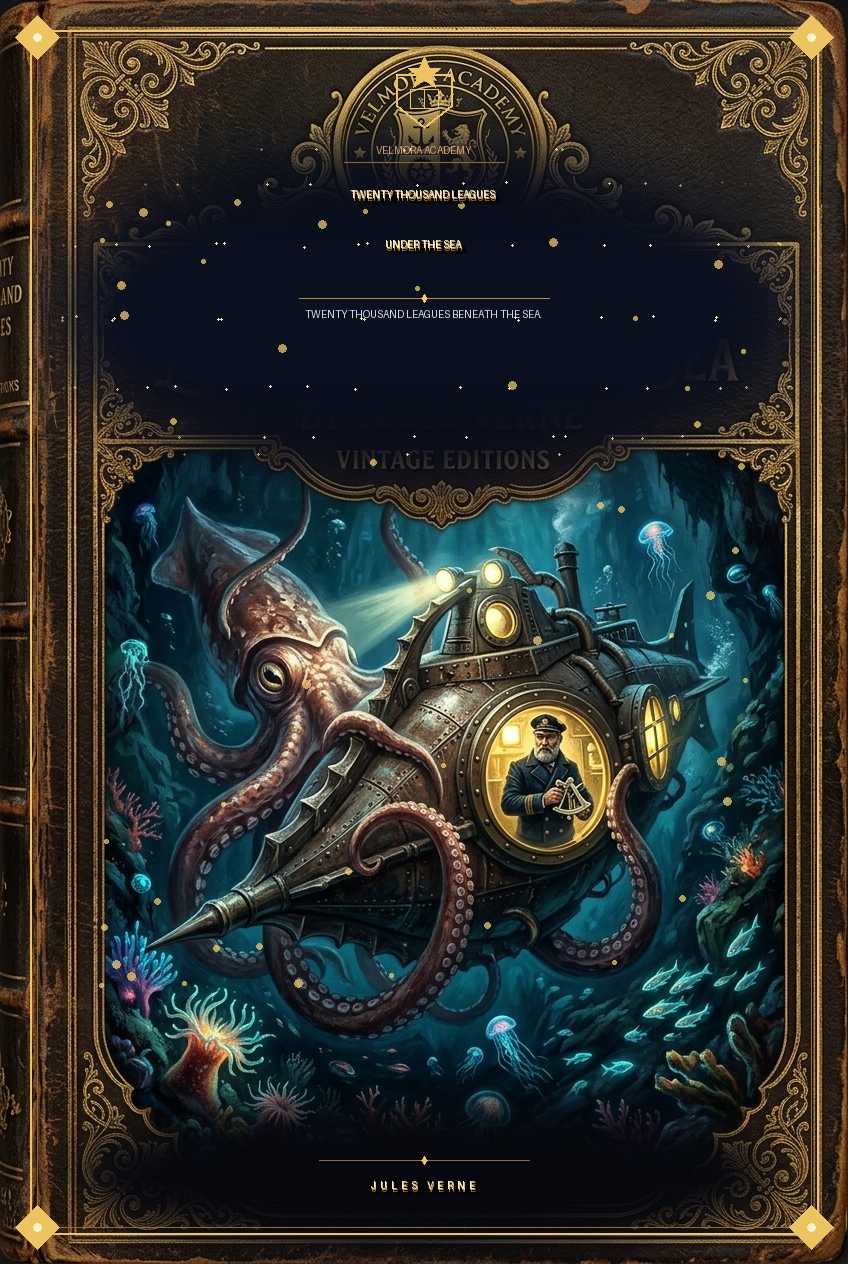
CHAPTER IV THE RED SEA In the course of the day of the 29th of January, the island of Ceylon disappeared under the horizon, and the _Nautilus_, at a speed of twenty miles an hour, slid into the labyrinth of canals which
A keeper or guardian of historical records and memories.
Chapter XXXII
A VANISHED CONTINENT The next morning, the 19th of February, I saw the Canadian enter my room. I expected this visit. He looked very disappointed. “Well, sir?” said he. “Well, Ned, fortune was against us yesterday.”
Oxford-style entry order: headword, part of speech, US IPA, concise definition, contextual example, audio, and collocations from this reading.
having passed out of existence
From this reading “A VANISHED CONTINENT The next morning, the 19th of February, I saw the Canadian enter my room.”
Every word is available to listen to. Dictionary details are shown only when verified; these are not licensed Oxford entries.
Dictionary entry pending editorial verification. Tap Listen to hear the word.
From this reading A VANISHED CONTINENT The next morning, the 19th of February, I saw the Canadian enter my room.
used before a singular noun to mean one of a group, when it is not a particular one
From this reading A VANISHED CONTINENT The next morning, the 19th of February, I saw the Canadian enter my room.
touching and pressing; in opposition to
From this reading “Well, Ned, fortune was against us yesterday.”
Dictionary entry pending editorial verification. Tap Listen to hear the word.
From this reading A VANISHED CONTINENT The next morning, the 19th of February, I saw the Canadian enter my room.
Dictionary entry pending editorial verification. Tap Listen to hear the word.
From this reading A VANISHED CONTINENT The next morning, the 19th of February, I saw the Canadian enter my room.
Dictionary entry pending editorial verification. Tap Listen to hear the word.
From this reading He looked very disappointed.
Dictionary entry pending editorial verification. Tap Listen to hear the word.
From this reading A VANISHED CONTINENT The next morning, the 19th of February, I saw the Canadian enter my room.
Dictionary entry pending editorial verification. Tap Listen to hear the word.
From this reading I expected this visit.
Dictionary entry pending editorial verification. Tap Listen to hear the word.
From this reading A VANISHED CONTINENT The next morning, the 19th of February, I saw the Canadian enter my room.
a story-specific word describing an important person, object, action, or idea in this passage
From this reading “Well, Ned, fortune was against us yesterday.”
a man, boy, or male animal already mentioned, as the subject
From this reading He looked very disappointed.
the person speaking or writing, as the subject of the verb
From this reading A VANISHED CONTINENT The next morning, the 19th of February, I saw the Canadian enter my room.
an important story-specific word used in this passage
From this reading He looked very disappointed.
an important story-specific word used in this passage
From this reading A VANISHED CONTINENT The next morning, the 19th of February, I saw the Canadian enter my room.
belonging to the person speaking
From this reading A VANISHED CONTINENT The next morning, the 19th of February, I saw the Canadian enter my room.
Dictionary entry pending editorial verification. Tap Listen to hear the word.
From this reading “Well, Ned, fortune was against us yesterday.”
an important story-specific word used in this passage
From this reading A VANISHED CONTINENT The next morning, the 19th of February, I saw the Canadian enter my room.
belonging to, or connected with, somebody or something
From this reading A VANISHED CONTINENT The next morning, the 19th of February, I saw the Canadian enter my room.
Dictionary entry pending editorial verification. Tap Listen to hear the word.
From this reading A VANISHED CONTINENT The next morning, the 19th of February, I saw the Canadian enter my room.
Dictionary entry pending editorial verification. Tap Listen to hear the word.
From this reading “Well, sir?” said he.
Dictionary entry pending editorial verification. Tap Listen to hear the word.
From this reading A VANISHED CONTINENT The next morning, the 19th of February, I saw the Canadian enter my room.
Dictionary entry pending editorial verification. Tap Listen to hear the word.
From this reading “Well, sir?” said he.
used before a noun that is already known, already mentioned, or the only one of its kind
From this reading A VANISHED CONTINENT The next morning, the 19th of February, I saw the Canadian enter my room.
used for a person or thing that is near, or that has just been mentioned
From this reading I expected this visit.
the speaker and others, as the object of a verb or preposition
From this reading “Well, Ned, fortune was against us yesterday.”
having passed out of existence
From this reading A VANISHED CONTINENT The next morning, the 19th of February, I saw the Canadian enter my room.
Dictionary entry pending editorial verification. Tap Listen to hear the word.
From this reading He looked very disappointed.
Dictionary entry pending editorial verification. Tap Listen to hear the word.
From this reading I expected this visit.
the past form of “be” used with I, he, she, it, or a singular noun
From this reading “Well, Ned, fortune was against us yesterday.”
Dictionary entry pending editorial verification. Tap Listen to hear the word.
From this reading “Well, sir?” said he.
Dictionary entry pending editorial verification. Tap Listen to hear the word.
From this reading “Well, Ned, fortune was against us yesterday.”
What is the central narrative or theme conveyed in this section of CHAPTER IV?
Which core linguistic virtue or character attribute is emphasized in this passage?
According to the text: "CHAPTER IV...", what tone does the author establish?