
Chapter I
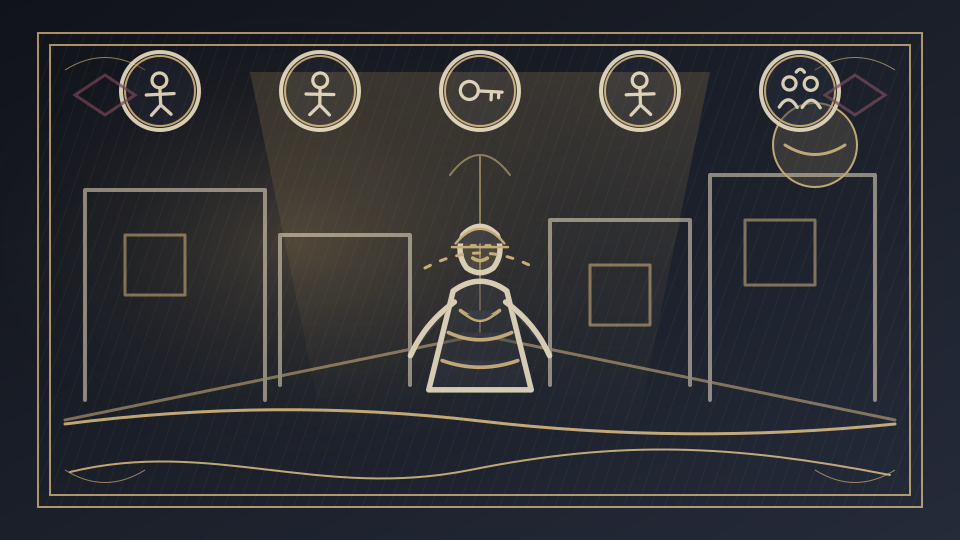
List of Illustrations HANDS WERE LOOSENING HIS NECKERCHIEF. “DO YOU HAPPEN TO WANT A SHEPPERD MA’AM?” “GET THE FRONT DOOR KEY.” LIDDY FETCHED IT. “I FEEL—ALMOST TOO MUCH—TO THINK,” HE SAID.
A keeper or guardian of historical records and memories.
Chapter I
List of Illustrations HANDS WERE LOOSENING HIS NECKERCHIEF. “DO YOU HAPPEN TO WANT A SHEPPERD MA’AM?” “GET THE FRONT DOOR KEY.” LIDDY FETCHED IT. “I FEEL—ALMOST TOO MUCH—TO THINK,” HE SAID.
Oxford-style entry order: headword, part of speech, US IPA, concise definition, contextual example, audio, and collocations from this reading.
members of a ship’s crew
From this reading “List of Illustrations HANDS WERE LOOSENING HIS NECKERCHIEF.”
an important story-specific word used in this passage
From this reading ““I FEEL—ALMOST TOO MUCH—TO THINK,” HE SAID.”
Every word is available to listen to. Dictionary details are shown only when verified; these are not licensed Oxford entries.
used before a singular noun to mean one of a group, when it is not a particular one
From this reading “DO YOU HAPPEN TO WANT A SHEPPERD MA’AM?”
Dictionary entry pending editorial verification. Tap Listen to hear the word.
From this reading “I FEEL—ALMOST TOO MUCH—TO THINK,” HE SAID.
used to form questions and negatives, and to give emphasis
From this reading “DO YOU HAPPEN TO WANT A SHEPPERD MA’AM?”
Dictionary entry pending editorial verification. Tap Listen to hear the word.
From this reading “GET THE FRONT DOOR KEY.”
Dictionary entry pending editorial verification. Tap Listen to hear the word.
From this reading “I FEEL—ALMOST TOO MUCH—TO THINK,” HE SAID.
Dictionary entry pending editorial verification. Tap Listen to hear the word.
From this reading LIDDY FETCHED IT.
Dictionary entry pending editorial verification. Tap Listen to hear the word.
From this reading “GET THE FRONT DOOR KEY.”
Dictionary entry pending editorial verification. Tap Listen to hear the word.
From this reading “GET THE FRONT DOOR KEY.”
members of a ship’s crew
From this reading List of Illustrations HANDS WERE LOOSENING HIS NECKERCHIEF.
Dictionary entry pending editorial verification. Tap Listen to hear the word.
From this reading “DO YOU HAPPEN TO WANT A SHEPPERD MA’AM?”
a man, boy, or male animal already mentioned, as the subject
From this reading “I FEEL—ALMOST TOO MUCH—TO THINK,” HE SAID.
belonging to a man, boy, or male animal already mentioned
From this reading List of Illustrations HANDS WERE LOOSENING HIS NECKERCHIEF.
the person speaking or writing, as the subject of the verb
From this reading “I FEEL—ALMOST TOO MUCH—TO THINK,” HE SAID.
Dictionary entry pending editorial verification. Tap Listen to hear the word.
From this reading List of Illustrations HANDS WERE LOOSENING HIS NECKERCHIEF.
a thing, animal, or idea already mentioned
From this reading LIDDY FETCHED IT.
Dictionary entry pending editorial verification. Tap Listen to hear the word.
From this reading “GET THE FRONT DOOR KEY.”
Dictionary entry pending editorial verification. Tap Listen to hear the word.
From this reading LIDDY FETCHED IT.
Dictionary entry pending editorial verification. Tap Listen to hear the word.
From this reading List of Illustrations HANDS WERE LOOSENING HIS NECKERCHIEF.
Dictionary entry pending editorial verification. Tap Listen to hear the word.
From this reading List of Illustrations HANDS WERE LOOSENING HIS NECKERCHIEF.
Dictionary entry pending editorial verification. Tap Listen to hear the word.
From this reading “DO YOU HAPPEN TO WANT A SHEPPERD MA’AM?”
Dictionary entry pending editorial verification. Tap Listen to hear the word.
From this reading “I FEEL—ALMOST TOO MUCH—TO THINK,” HE SAID.
Dictionary entry pending editorial verification. Tap Listen to hear the word.
From this reading List of Illustrations HANDS WERE LOOSENING HIS NECKERCHIEF.
belonging to, or connected with, somebody or something
From this reading List of Illustrations HANDS WERE LOOSENING HIS NECKERCHIEF.
Dictionary entry pending editorial verification. Tap Listen to hear the word.
From this reading “I FEEL—ALMOST TOO MUCH—TO THINK,” HE SAID.
Dictionary entry pending editorial verification. Tap Listen to hear the word.
From this reading “DO YOU HAPPEN TO WANT A SHEPPERD MA’AM?”
used before a noun that is already known, already mentioned, or the only one of its kind
From this reading “GET THE FRONT DOOR KEY.”
an important story-specific word used in this passage
From this reading “I FEEL—ALMOST TOO MUCH—TO THINK,” HE SAID.
used before the base form of a verb to make the infinitive
From this reading “DO YOU HAPPEN TO WANT A SHEPPERD MA’AM?”
Dictionary entry pending editorial verification. Tap Listen to hear the word.
From this reading “I FEEL—ALMOST TOO MUCH—TO THINK,” HE SAID.
Dictionary entry pending editorial verification. Tap Listen to hear the word.
From this reading “DO YOU HAPPEN TO WANT A SHEPPERD MA’AM?”
the past form of “be” used with you, we, they, or a plural noun
From this reading List of Illustrations HANDS WERE LOOSENING HIS NECKERCHIEF.
the person or people being spoken to
From this reading “DO YOU HAPPEN TO WANT A SHEPPERD MA’AM?”