Every word is available to listen to. Dictionary details are shown only when verified; these are not licensed Oxford entries.
affable
Dictionary entry pending editorial verification. Tap Listen to hear the word.
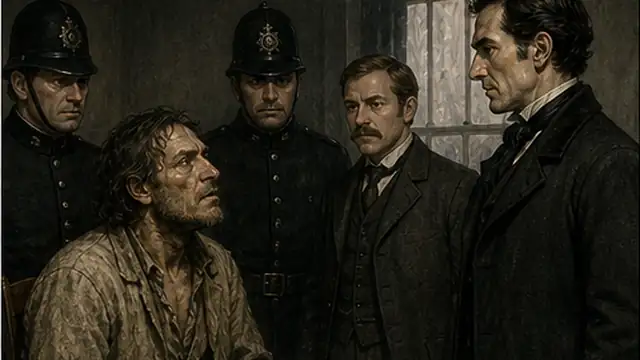
From this reading for on finding himself powerless, he smiled in an affable manner, and expressed his hopes that he had not hurt any of us in the scuffle.
andeterminerUS /æn/
the form of “a” used before a word that begins with a vowel sound
From this reading for on finding himself powerless, he smiled in an affable manner, and expressed his hopes that he had not hurt any of us in the scuffle.
andconjunctionUS /ənd/
used to join words or parts of a sentence that go together
From this reading for on finding himself powerless, he smiled in an affable manner, and expressed his hopes that he had not hurt any of us in the scuffle.
any
Dictionary entry pending editorial verification. Tap Listen to hear the word.
From this reading Our prisoner’s furious resistance did not apparently indicate any ferocity in his disposition towards ourselves,
apparently
Dictionary entry pending editorial verification. Tap Listen to hear the word.
From this reading Our prisoner’s furious resistance did not apparently indicate any ferocity in his disposition towards ourselves,
atprepositionUS /æt/
in or near a particular place or position
From this reading “My cab’s at the door.
cab's
Dictionary entry pending editorial verification. Tap Listen to hear the word.
From this reading “My cab’s at the door.
didauxiliary verbUS /dɪd/
the past form of “do”, used in questions and negatives
From this reading Our prisoner’s furious resistance did not apparently indicate any ferocity in his disposition towards ourselves,
dispositionnounUS /ˌdɪspəˈzɪʃən/
the way something is arranged or positioned
From this reading Our prisoner’s furious resistance did not apparently indicate any ferocity in his disposition towards ourselves,
door
Dictionary entry pending editorial verification. Tap Listen to hear the word.
From this reading “My cab’s at the door.
down
Dictionary entry pending editorial verification. Tap Listen to hear the word.
From this reading If you’ll loose my legs I’ll walk down to it.
expressed
Dictionary entry pending editorial verification. Tap Listen to hear the word.
From this reading for on finding himself powerless, he smiled in an affable manner, and expressed his hopes that he had not hurt any of us in the scuffle.
ferocity
Dictionary entry pending editorial verification. Tap Listen to hear the word.
From this reading Our prisoner’s furious resistance did not apparently indicate any ferocity in his disposition towards ourselves,
finding
Dictionary entry pending editorial verification. Tap Listen to hear the word.
From this reading for on finding himself powerless, he smiled in an affable manner, and expressed his hopes that he had not hurt any of us in the scuffle.
forprepositionUS /fɔːr/
intended to be given to, or used by, somebody
From this reading for on finding himself powerless, he smiled in an affable manner, and expressed his hopes that he had not hurt any of us in the scuffle.
furiousadjectiveUS /ˈfjʊriəs/
marked by extreme and violent energy
From this reading Our prisoner’s furious resistance did not apparently indicate any ferocity in his disposition towards ourselves,
going
Dictionary entry pending editorial verification. Tap Listen to hear the word.
From this reading “I guess you’re going to take me to the police-station,” he remarked to Sherlock Holmes.
guess
Dictionary entry pending editorial verification. Tap Listen to hear the word.
From this reading “I guess you’re going to take me to the police-station,” he remarked to Sherlock Holmes.
hadauxiliary verbUS /hæd/
the past form of “have”, used to form the past perfect
From this reading for on finding himself powerless, he smiled in an affable manner, and expressed his hopes that he had not hurt any of us in the scuffle.
hepronounUS /hiː/
a man, boy, or male animal already mentioned, as the subject
From this reading for on finding himself powerless, he smiled in an affable manner, and expressed his hopes that he had not hurt any of us in the scuffle.
himselfpronounUS /hɪmˈself/
used when the man or boy doing the action is also its object
From this reading for on finding himself powerless, he smiled in an affable manner, and expressed his hopes that he had not hurt any of us in the scuffle.
hisdeterminerUS /hɪz/
belonging to a man, boy, or male animal already mentioned
From this reading Our prisoner’s furious resistance did not apparently indicate any ferocity in his disposition towards ourselves,
Holmes
Dictionary entry pending editorial verification. Tap Listen to hear the word.
From this reading “I guess you’re going to take me to the police-station,” he remarked to Sherlock Holmes.
hopes
Dictionary entry pending editorial verification. Tap Listen to hear the word.
From this reading for on finding himself powerless, he smiled in an affable manner, and expressed his hopes that he had not hurt any of us in the scuffle.
hurt
Dictionary entry pending editorial verification. Tap Listen to hear the word.
From this reading for on finding himself powerless, he smiled in an affable manner, and expressed his hopes that he had not hurt any of us in the scuffle.
IpronounUS /aɪ/
the person speaking or writing, as the subject of the verb
From this reading “I guess you’re going to take me to the police-station,” he remarked to Sherlock Holmes.
I'll
Dictionary entry pending editorial verification. Tap Listen to hear the word.
From this reading If you’ll loose my legs I’ll walk down to it.
IfconjunctionUS /ɪf/
on condition that; in the event that
From this reading If you’ll loose my legs I’ll walk down to it.
inprepositionUS /ɪn/
inside something, or within a place, period, or state
From this reading Our prisoner’s furious resistance did not apparently indicate any ferocity in his disposition towards ourselves,
indicate
Dictionary entry pending editorial verification. Tap Listen to hear the word.
From this reading Our prisoner’s furious resistance did not apparently indicate any ferocity in his disposition towards ourselves,
itpronounUS /ɪt/
a thing, animal, or idea already mentioned
From this reading If you’ll loose my legs I’ll walk down to it.
legs
Dictionary entry pending editorial verification. Tap Listen to hear the word.
From this reading If you’ll loose my legs I’ll walk down to it.
loose
Dictionary entry pending editorial verification. Tap Listen to hear the word.
From this reading If you’ll loose my legs I’ll walk down to it.
manner
Dictionary entry pending editorial verification. Tap Listen to hear the word.
From this reading for on finding himself powerless, he smiled in an affable manner, and expressed his hopes that he had not hurt any of us in the scuffle.
mepronounUS /miː/
the person speaking, as the object of a verb or preposition
From this reading “I guess you’re going to take me to the police-station,” he remarked to Sherlock Holmes.
MydeterminerUS /maɪ/
belonging to the person speaking
From this reading “My cab’s at the door.
notadverbUS /nɑːt/
used to make a word, phrase, or sentence negative
From this reading Our prisoner’s furious resistance did not apparently indicate any ferocity in his disposition towards ourselves,
ofprepositionUS /ʌv/
belonging to, or connected with, somebody or something
From this reading for on finding himself powerless, he smiled in an affable manner, and expressed his hopes that he had not hurt any of us in the scuffle.
onprepositionUS /ɑːn/
touching and supported by a surface
From this reading for on finding himself powerless, he smiled in an affable manner, and expressed his hopes that he had not hurt any of us in the scuffle.
OurdeterminerUS /ˈaʊər/
belonging to the speaker and others
From this reading Our prisoner’s furious resistance did not apparently indicate any ferocity in his disposition towards ourselves,
ourselvespronounUS /aʊərˈselvz/
used when we are both doing the action and receiving it
From this reading Our prisoner’s furious resistance did not apparently indicate any ferocity in his disposition towards ourselves,
police-station
Dictionary entry pending editorial verification. Tap Listen to hear the word.
From this reading “I guess you’re going to take me to the police-station,” he remarked to Sherlock Holmes.
powerless
Dictionary entry pending editorial verification. Tap Listen to hear the word.
From this reading for on finding himself powerless, he smiled in an affable manner, and expressed his hopes that he had not hurt any of us in the scuffle.
prisoner's
Dictionary entry pending editorial verification. Tap Listen to hear the word.
From this reading Our prisoner’s furious resistance did not apparently indicate any ferocity in his disposition towards ourselves,
remarked
Dictionary entry pending editorial verification. Tap Listen to hear the word.
From this reading “I guess you’re going to take me to the police-station,” he remarked to Sherlock Holmes.
resistance
Dictionary entry pending editorial verification. Tap Listen to hear the word.
From this reading Our prisoner’s furious resistance did not apparently indicate any ferocity in his disposition towards ourselves,
scuffle
Dictionary entry pending editorial verification. Tap Listen to hear the word.
From this reading for on finding himself powerless, he smiled in an affable manner, and expressed his hopes that he had not hurt any of us in the scuffle.
Sherlock
Dictionary entry pending editorial verification. Tap Listen to hear the word.
From this reading “I guess you’re going to take me to the police-station,” he remarked to Sherlock Holmes.
smiled
Dictionary entry pending editorial verification. Tap Listen to hear the word.
From this reading for on finding himself powerless, he smiled in an affable manner, and expressed his hopes that he had not hurt any of us in the scuffle.
takenounUS /take/
an important story-specific word used in this passage
From this reading “I guess you’re going to take me to the police-station,” he remarked to Sherlock Holmes.
thatconjunctionUS /ðæt/
used to introduce what somebody said, thought, or felt
From this reading for on finding himself powerless, he smiled in an affable manner, and expressed his hopes that he had not hurt any of us in the scuffle.
thedeterminerUS /ðə/
used before a noun that is already known, already mentioned, or the only one of its kind
From this reading for on finding himself powerless, he smiled in an affable manner, and expressed his hopes that he had not hurt any of us in the scuffle.
toparticleUS /tuː/
used before the base form of a verb to make the infinitive
From this reading “I guess you’re going to take me to the police-station,” he remarked to Sherlock Holmes.
towardsprepositionUS /təˈwɔːrdz/
in the direction of
From this reading Our prisoner’s furious resistance did not apparently indicate any ferocity in his disposition towards ourselves,
uspronounUS /ʌs/
the speaker and others, as the object of a verb or preposition
From this reading for on finding himself powerless, he smiled in an affable manner, and expressed his hopes that he had not hurt any of us in the scuffle.
walk
Dictionary entry pending editorial verification. Tap Listen to hear the word.
From this reading If you’ll loose my legs I’ll walk down to it.
you'll
Dictionary entry pending editorial verification. Tap Listen to hear the word.
From this reading If you’ll loose my legs I’ll walk down to it.
you're
Dictionary entry pending editorial verification. Tap Listen to hear the word.
From this reading “I guess you’re going to take me to the police-station,” he remarked to Sherlock Holmes.