Every word is available to listen to. Dictionary details are shown only when verified; these are not licensed Oxford entries.
adeterminerUS /ə/
used before a singular noun to mean one of a group, when it is not a particular one
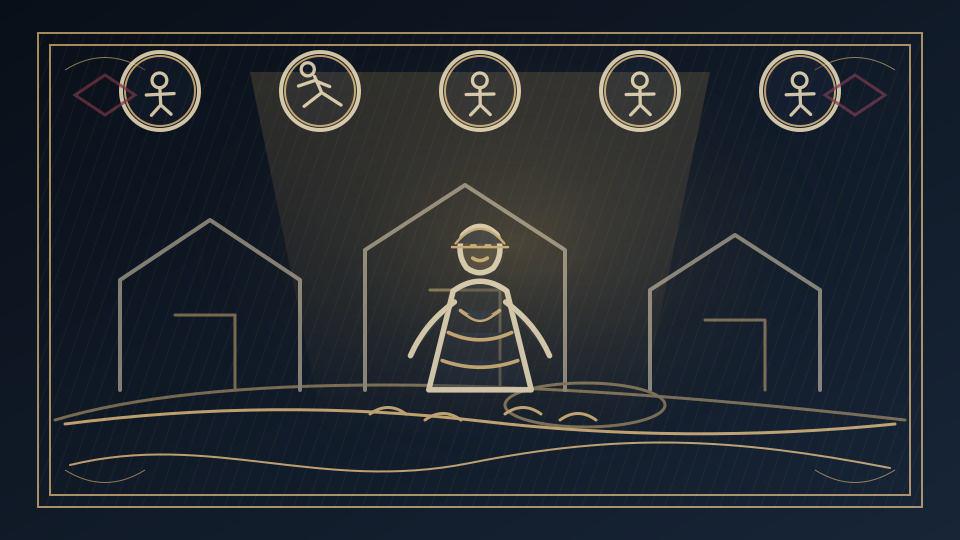
From this reading Three hundred paces further on, he arrived at a point where the street forked.
andconjunctionUS /ənd/
used to join words or parts of a sentence that go together
From this reading It separated into two streets, which ran in a slanting line, one to the right, and the other to the left.
arrived
Dictionary entry pending editorial verification. Tap Listen to hear the word.
From this reading Three hundred paces further on, he arrived at a point where the street forked.
atprepositionUS /æt/
in or near a particular place or position
From this reading Three hundred paces further on, he arrived at a point where the street forked.
beforeprepositionUS /bɪˈfɔːr/
earlier than; in front of
From this reading Jean Valjean had before him what resembled the two branches of a Y. Which should he choose?
branches
Dictionary entry pending editorial verification. Tap Listen to hear the word.
From this reading Jean Valjean had before him what resembled the two branches of a Y. Which should he choose?
butconjunctionUS /bʌt/
used to introduce something that contrasts with what came before
From this reading He did not hesitate, but took the one on the right.
choosenounUS /choose/
an important story-specific word used in this passage
From this reading Jean Valjean had before him what resembled the two branches of a Y. Which should he choose?
didauxiliary verbUS /dɪd/
the past form of “do”, used in questions and negatives
From this reading He did not hesitate, but took the one on the right.
forked
Dictionary entry pending editorial verification. Tap Listen to hear the word.
From this reading Three hundred paces further on, he arrived at a point where the street forked.
further
Dictionary entry pending editorial verification. Tap Listen to hear the word.
From this reading Three hundred paces further on, he arrived at a point where the street forked.
hadauxiliary verbUS /hæd/
the past form of “have”, used to form the past perfect
From this reading Jean Valjean had before him what resembled the two branches of a Y. Which should he choose?
hepronounUS /hiː/
a man, boy, or male animal already mentioned, as the subject
From this reading Three hundred paces further on, he arrived at a point where the street forked.
hesitate
Dictionary entry pending editorial verification. Tap Listen to hear the word.
From this reading He did not hesitate, but took the one on the right.
himpronounUS /hɪm/
the male already mentioned, as the object of a verb or preposition
From this reading Jean Valjean had before him what resembled the two branches of a Y. Which should he choose?
hundred
Dictionary entry pending editorial verification. Tap Listen to hear the word.
From this reading Three hundred paces further on, he arrived at a point where the street forked.
inprepositionUS /ɪn/
inside something, or within a place, period, or state
From this reading It separated into two streets, which ran in a slanting line, one to the right, and the other to the left.
intoprepositionUS /ˈɪntuː/
moving to the inside of something
From this reading It separated into two streets, which ran in a slanting line, one to the right, and the other to the left.
ItpronounUS /ɪt/
a thing, animal, or idea already mentioned
From this reading It separated into two streets, which ran in a slanting line, one to the right, and the other to the left.
Jean
Dictionary entry pending editorial verification. Tap Listen to hear the word.
From this reading Jean Valjean had before him what resembled the two branches of a Y. Which should he choose?
leftnounUS /left/
an important story-specific word used in this passage
From this reading It separated into two streets, which ran in a slanting line, one to the right, and the other to the left.
line
Dictionary entry pending editorial verification. Tap Listen to hear the word.
From this reading It separated into two streets, which ran in a slanting line, one to the right, and the other to the left.
notadverbUS /nɑːt/
used to make a word, phrase, or sentence negative
From this reading He did not hesitate, but took the one on the right.
ofprepositionUS /ʌv/
belonging to, or connected with, somebody or something
From this reading Jean Valjean had before him what resembled the two branches of a Y. Which should he choose?
onprepositionUS /ɑːn/
touching and supported by a surface
From this reading Three hundred paces further on, he arrived at a point where the street forked.
onepronounUS /wʌn/
used to mean any person in general, including the speaker
From this reading It separated into two streets, which ran in a slanting line, one to the right, and the other to the left.
other
Dictionary entry pending editorial verification. Tap Listen to hear the word.
From this reading It separated into two streets, which ran in a slanting line, one to the right, and the other to the left.
paces
Dictionary entry pending editorial verification. Tap Listen to hear the word.
From this reading Three hundred paces further on, he arrived at a point where the street forked.
pointnounUS /pɔɪnt/
the main matter or purpose being discussed
From this reading Three hundred paces further on, he arrived at a point where the street forked.
ran
Dictionary entry pending editorial verification. Tap Listen to hear the word.
From this reading It separated into two streets, which ran in a slanting line, one to the right, and the other to the left.
resembled
Dictionary entry pending editorial verification. Tap Listen to hear the word.
From this reading Jean Valjean had before him what resembled the two branches of a Y. Which should he choose?
rightnounUS /right/
an important story-specific word used in this passage
From this reading It separated into two streets, which ran in a slanting line, one to the right, and the other to the left.
separated
Dictionary entry pending editorial verification. Tap Listen to hear the word.
From this reading It separated into two streets, which ran in a slanting line, one to the right, and the other to the left.
shouldmodal verbUS /ʃʊd/
used to say what is right, expected, or advisable
From this reading Jean Valjean had before him what resembled the two branches of a Y. Which should he choose?
slanting
Dictionary entry pending editorial verification. Tap Listen to hear the word.
From this reading It separated into two streets, which ran in a slanting line, one to the right, and the other to the left.
street
Dictionary entry pending editorial verification. Tap Listen to hear the word.
From this reading Three hundred paces further on, he arrived at a point where the street forked.
streets
Dictionary entry pending editorial verification. Tap Listen to hear the word.
From this reading It separated into two streets, which ran in a slanting line, one to the right, and the other to the left.
thedeterminerUS /ðə/
used before a noun that is already known, already mentioned, or the only one of its kind
From this reading Three hundred paces further on, he arrived at a point where the street forked.
ThreenounUS /θriː/
the cardinal number that is the sum of one and one and one
From this reading Three hundred paces further on, he arrived at a point where the street forked.
toparticleUS /tuː/
used before the base form of a verb to make the infinitive
From this reading It separated into two streets, which ran in a slanting line, one to the right, and the other to the left.
tooknounUS /took/
an important story-specific word used in this passage
From this reading He did not hesitate, but took the one on the right.
two
Dictionary entry pending editorial verification. Tap Listen to hear the word.
From this reading It separated into two streets, which ran in a slanting line, one to the right, and the other to the left.
Valjean
Dictionary entry pending editorial verification. Tap Listen to hear the word.
From this reading Jean Valjean had before him what resembled the two branches of a Y. Which should he choose?
whatpronounUS /wʌt/
used to ask for information about something
From this reading Jean Valjean had before him what resembled the two branches of a Y. Which should he choose?
whereconjunctionUS /wer/
in or at the place that
From this reading Three hundred paces further on, he arrived at a point where the street forked.
whichpronounUS /wɪtʃ/
used to introduce a clause giving more about a thing just mentioned
From this reading It separated into two streets, which ran in a slanting line, one to the right, and the other to the left.
Why
Dictionary entry pending editorial verification. Tap Listen to hear the word.
From this reading Why?
Y
Dictionary entry pending editorial verification. Tap Listen to hear the word.
From this reading Jean Valjean had before him what resembled the two branches of a Y. Which should he choose?