
Chapter I
Stave I: Marley's Ghost
"Merry Christmas! What right have you to be merry? What reason have you to be merry? You're poor enough." "Come, then," returned the nephew gaily.
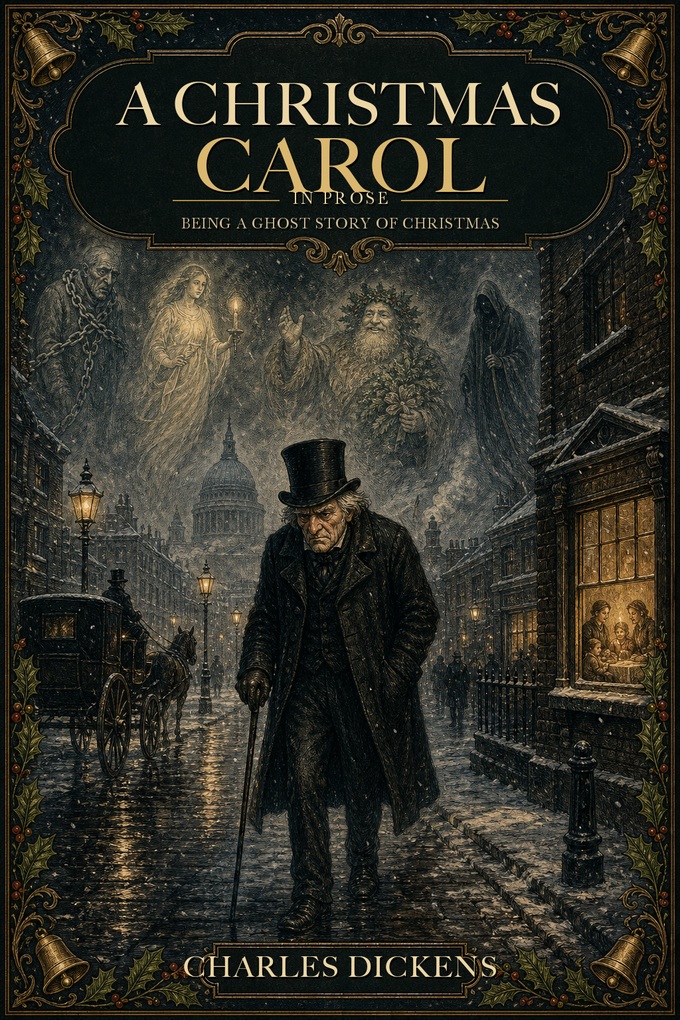
STAVE I: MARLEY'S GHOST MARLEY was dead: to begin with.
A keeper or guardian of historical records and memories.
Chapter I
"Merry Christmas! What right have you to be merry? What reason have you to be merry? You're poor enough." "Come, then," returned the nephew gaily.
Oxford-style entry order: headword, part of speech, US IPA, concise definition, contextual example, audio, and collocations from this reading.
full of or showing high-spirited merriment
From this reading “"Merry Christmas!”
Every word is available to listen to. Dictionary details are shown only when verified; these are not licensed Oxford entries.
used with a past participle to form the passive, or with -ing for continuous tenses
From this reading What right have you to be merry?
Dictionary entry pending editorial verification. Tap Listen to hear the word.
From this reading "Merry Christmas!
an important story-specific word used in this passage
From this reading "Come, then," returned the nephew gaily.
Dictionary entry pending editorial verification. Tap Listen to hear the word.
From this reading You're poor enough."
Dictionary entry pending editorial verification. Tap Listen to hear the word.
From this reading "Come, then," returned the nephew gaily.
used with a past participle to form the perfect tenses
From this reading What right have you to be merry?
full of or showing high-spirited merriment
From this reading "Merry Christmas!
Dictionary entry pending editorial verification. Tap Listen to hear the word.
From this reading "Come, then," returned the nephew gaily.
an important story-specific word used in this passage
From this reading You're poor enough."
Dictionary entry pending editorial verification. Tap Listen to hear the word.
From this reading What reason have you to be merry?
a story-specific word describing an important person, object, action, or idea in this passage
From this reading "Come, then," returned the nephew gaily.
an important story-specific word used in this passage
From this reading What right have you to be merry?
used before a noun that is already known, already mentioned, or the only one of its kind
From this reading "Come, then," returned the nephew gaily.
Dictionary entry pending editorial verification. Tap Listen to hear the word.
From this reading "Come, then," returned the nephew gaily.
used before the base form of a verb to make the infinitive
From this reading What right have you to be merry?
used to ask for information about something
From this reading What right have you to be merry?
the person or people being spoken to
From this reading What right have you to be merry?
Dictionary entry pending editorial verification. Tap Listen to hear the word.
From this reading You're poor enough."
What is the central narrative or theme conveyed in this section of Stave I: Marley's Ghost?
Which core linguistic virtue or character attribute is emphasized in this passage?
According to the text: "STAVE I: MARLEY'S GHOST...", what tone does the author establish?