Every word is available to listen to. Dictionary details are shown only when verified; these are not licensed Oxford entries.
adeterminerUS /ə/
used before a singular noun to mean one of a group, when it is not a particular one
From this reading "My lord, I know that a son could not act more basely towards his father than Noureddin has done towards you, but after all will you now pardon him?
act
Dictionary entry pending editorial verification. Tap Listen to hear the word.
From this reading "My lord, I know that a son could not act more basely towards his father than Noureddin has done towards you, but after all will you now pardon him?
afterprepositionUS /ˈæftər/
later than; following
From this reading "My lord, I know that a son could not act more basely towards his father than Noureddin has done towards you, but after all will you now pardon him?
all
Dictionary entry pending editorial verification. Tap Listen to hear the word.
From this reading "My lord, I know that a son could not act more basely towards his father than Noureddin has done towards you, but after all will you now pardon him?
andconjunctionUS /ənd/
used to join words or parts of a sentence that go together
From this reading At length she took courage and said:
asconjunctionUS /æz/
at the same time that; because; in the way that
From this reading "Madam," replied the vizir, "what you say is very just, but I cannot pardon Noureddin before I have mortified him as he deserves."
ask
Dictionary entry pending editorial verification. Tap Listen to hear the word.
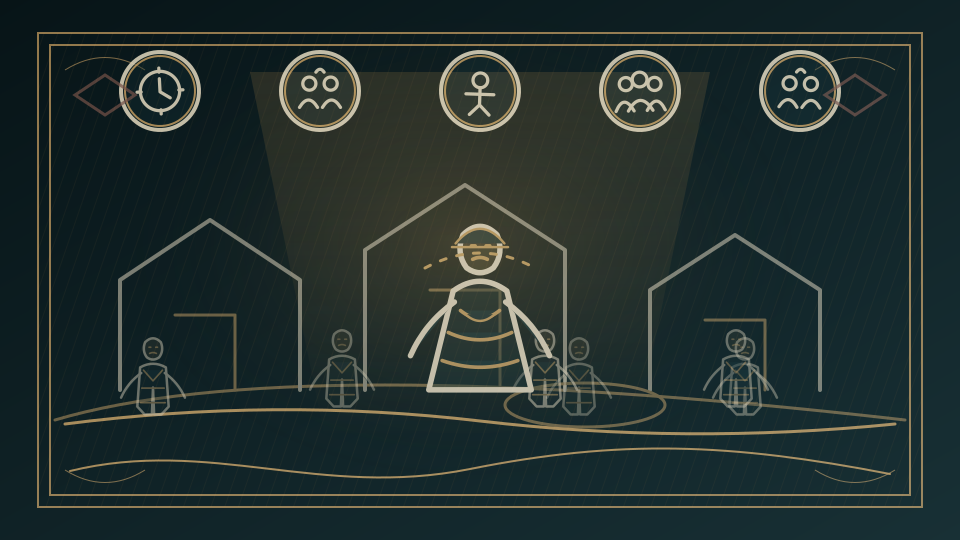
From this reading His mother, though knowing very well that he returned to the house every evening, dare not ask her husband to pardon him.
AtprepositionUS /æt/
in or near a particular place or position
From this reading At length she took courage and said:
basely
Dictionary entry pending editorial verification. Tap Listen to hear the word.
From this reading "My lord, I know that a son could not act more basely towards his father than Noureddin has done towards you, but after all will you now pardon him?
beauxiliary verbUS /biː/
used with a past participle to form the passive, or with -ing for continuous tenses
From this reading Do you not consider the harm you may be doing yourself, and fear that malicious people, seeking the cause of your estrangement, may guess the real one?"
beforeprepositionUS /bɪˈfɔːr/
earlier than; in front of
From this reading "Madam," replied the vizir, "what you say is very just, but I cannot pardon Noureddin before I have mortified him as he deserves."
butconjunctionUS /bʌt/
used to introduce something that contrasts with what came before
From this reading "My lord, I know that a son could not act more basely towards his father than Noureddin has done towards you, but after all will you now pardon him?
cannot
Dictionary entry pending editorial verification. Tap Listen to hear the word.
From this reading "Madam," replied the vizir, "what you say is very just, but I cannot pardon Noureddin before I have mortified him as he deserves."
cause
Dictionary entry pending editorial verification. Tap Listen to hear the word.
From this reading Do you not consider the harm you may be doing yourself, and fear that malicious people, seeking the cause of your estrangement, may guess the real one?"
consider
Dictionary entry pending editorial verification. Tap Listen to hear the word.
From this reading Do you not consider the harm you may be doing yourself, and fear that malicious people, seeking the cause of your estrangement, may guess the real one?"
couldmodal verbUS /kʊd/
the past of “can”; used for possibility or polite requests
From this reading "My lord, I know that a son could not act more basely towards his father than Noureddin has done towards you, but after all will you now pardon him?
courage
Dictionary entry pending editorial verification. Tap Listen to hear the word.
From this reading At length she took courage and said:
dare
Dictionary entry pending editorial verification. Tap Listen to hear the word.
From this reading His mother, though knowing very well that he returned to the house every evening, dare not ask her husband to pardon him.
deserves
Dictionary entry pending editorial verification. Tap Listen to hear the word.
From this reading "Madam," replied the vizir, "what you say is very just, but I cannot pardon Noureddin before I have mortified him as he deserves."
Doauxiliary verbUS /duː/
used to form questions and negatives, and to give emphasis
From this reading Do you not consider the harm you may be doing yourself, and fear that malicious people, seeking the cause of your estrangement, may guess the real one?"
doing
Dictionary entry pending editorial verification. Tap Listen to hear the word.
From this reading Do you not consider the harm you may be doing yourself, and fear that malicious people, seeking the cause of your estrangement, may guess the real one?"
donenounUS /done/
an important story-specific word used in this passage
From this reading "My lord, I know that a son could not act more basely towards his father than Noureddin has done towards you, but after all will you now pardon him?
estrangement
Dictionary entry pending editorial verification. Tap Listen to hear the word.
From this reading Do you not consider the harm you may be doing yourself, and fear that malicious people, seeking the cause of your estrangement, may guess the real one?"
evening
Dictionary entry pending editorial verification. Tap Listen to hear the word.
From this reading His mother, though knowing very well that he returned to the house every evening, dare not ask her husband to pardon him.
everydeterminerUS /ˈevəri/
all the members of a group, with none left out
From this reading His mother, though knowing very well that he returned to the house every evening, dare not ask her husband to pardon him.
father
Dictionary entry pending editorial verification. Tap Listen to hear the word.
From this reading "My lord, I know that a son could not act more basely towards his father than Noureddin has done towards you, but after all will you now pardon him?
fear
Dictionary entry pending editorial verification. Tap Listen to hear the word.
From this reading Do you not consider the harm you may be doing yourself, and fear that malicious people, seeking the cause of your estrangement, may guess the real one?"
guess
Dictionary entry pending editorial verification. Tap Listen to hear the word.
From this reading Do you not consider the harm you may be doing yourself, and fear that malicious people, seeking the cause of your estrangement, may guess the real one?"
harm
Dictionary entry pending editorial verification. Tap Listen to hear the word.
From this reading Do you not consider the harm you may be doing yourself, and fear that malicious people, seeking the cause of your estrangement, may guess the real one?"
hasauxiliary verbUS /hæz/
the form of “have” used with he, she, it, or a singular noun
From this reading "My lord, I know that a son could not act more basely towards his father than Noureddin has done towards you, but after all will you now pardon him?
haveauxiliary verbUS /hæv/
used with a past participle to form the perfect tenses
From this reading "Madam," replied the vizir, "what you say is very just, but I cannot pardon Noureddin before I have mortified him as he deserves."
hepronounUS /hiː/
a man, boy, or male animal already mentioned, as the subject
From this reading His mother, though knowing very well that he returned to the house every evening, dare not ask her husband to pardon him.
herdeterminerUS /hɜːr/
belonging to a woman, girl, or female animal already mentioned
From this reading His mother, though knowing very well that he returned to the house every evening, dare not ask her husband to pardon him.
himpronounUS /hɪm/
the male already mentioned, as the object of a verb or preposition
From this reading His mother, though knowing very well that he returned to the house every evening, dare not ask her husband to pardon him.
HisdeterminerUS /hɪz/
belonging to a man, boy, or male animal already mentioned
From this reading His mother, though knowing very well that he returned to the house every evening, dare not ask her husband to pardon him.
house
Dictionary entry pending editorial verification. Tap Listen to hear the word.
From this reading His mother, though knowing very well that he returned to the house every evening, dare not ask her husband to pardon him.
husband
Dictionary entry pending editorial verification. Tap Listen to hear the word.
From this reading His mother, though knowing very well that he returned to the house every evening, dare not ask her husband to pardon him.
IpronounUS /aɪ/
the person speaking or writing, as the subject of the verb
From this reading "My lord, I know that a son could not act more basely towards his father than Noureddin has done towards you, but after all will you now pardon him?
isauxiliary verbUS /ɪz/
the form of “be” used with he, she, it, or a singular noun
From this reading "Madam," replied the vizir, "what you say is very just, but I cannot pardon Noureddin before I have mortified him as he deserves."
just
Dictionary entry pending editorial verification. Tap Listen to hear the word.
From this reading "Madam," replied the vizir, "what you say is very just, but I cannot pardon Noureddin before I have mortified him as he deserves."
knownounUS /know/
an important story-specific word used in this passage
From this reading "My lord, I know that a son could not act more basely towards his father than Noureddin has done towards you, but after all will you now pardon him?
knowing
Dictionary entry pending editorial verification. Tap Listen to hear the word.
From this reading His mother, though knowing very well that he returned to the house every evening, dare not ask her husband to pardon him.
lengthnounUS /leŋθ/
a period of time or extent
From this reading At length she took courage and said:
lord
Dictionary entry pending editorial verification. Tap Listen to hear the word.
From this reading "My lord, I know that a son could not act more basely towards his father than Noureddin has done towards you, but after all will you now pardon him?
Madam
Dictionary entry pending editorial verification. Tap Listen to hear the word.
From this reading "Madam," replied the vizir, "what you say is very just, but I cannot pardon Noureddin before I have mortified him as he deserves."
malicious
Dictionary entry pending editorial verification. Tap Listen to hear the word.
From this reading Do you not consider the harm you may be doing yourself, and fear that malicious people, seeking the cause of your estrangement, may guess the real one?"
maymodal verbUS /meɪ/
used to say something is possible, or to give permission
From this reading Do you not consider the harm you may be doing yourself, and fear that malicious people, seeking the cause of your estrangement, may guess the real one?"
more
Dictionary entry pending editorial verification. Tap Listen to hear the word.
From this reading "My lord, I know that a son could not act more basely towards his father than Noureddin has done towards you, but after all will you now pardon him?
mortified
Dictionary entry pending editorial verification. Tap Listen to hear the word.
From this reading "Madam," replied the vizir, "what you say is very just, but I cannot pardon Noureddin before I have mortified him as he deserves."
mothernounUS /ˈmʌðər/
a woman who has given birth to a child (also used as a term of address to your mother)
From this reading His mother, though knowing very well that he returned to the house every evening, dare not ask her husband to pardon him.
MydeterminerUS /maɪ/
belonging to the person speaking
From this reading "My lord, I know that a son could not act more basely towards his father than Noureddin has done towards you, but after all will you now pardon him?
notadverbUS /nɑːt/
used to make a word, phrase, or sentence negative
From this reading His mother, though knowing very well that he returned to the house every evening, dare not ask her husband to pardon him.
Noureddin
Dictionary entry pending editorial verification. Tap Listen to hear the word.
From this reading "My lord, I know that a son could not act more basely towards his father than Noureddin has done towards you, but after all will you now pardon him?
now
Dictionary entry pending editorial verification. Tap Listen to hear the word.
From this reading "My lord, I know that a son could not act more basely towards his father than Noureddin has done towards you, but after all will you now pardon him?
ofprepositionUS /ʌv/
belonging to, or connected with, somebody or something
From this reading Do you not consider the harm you may be doing yourself, and fear that malicious people, seeking the cause of your estrangement, may guess the real one?"
onepronounUS /wʌn/
used to mean any person in general, including the speaker
From this reading Do you not consider the harm you may be doing yourself, and fear that malicious people, seeking the cause of your estrangement, may guess the real one?"
pardon
Dictionary entry pending editorial verification. Tap Listen to hear the word.
From this reading His mother, though knowing very well that he returned to the house every evening, dare not ask her husband to pardon him.
people
Dictionary entry pending editorial verification. Tap Listen to hear the word.
From this reading Do you not consider the harm you may be doing yourself, and fear that malicious people, seeking the cause of your estrangement, may guess the real one?"
real
Dictionary entry pending editorial verification. Tap Listen to hear the word.
From this reading Do you not consider the harm you may be doing yourself, and fear that malicious people, seeking the cause of your estrangement, may guess the real one?"
repliednounUS /replied/
an important story-specific word used in this passage
From this reading "Madam," replied the vizir, "what you say is very just, but I cannot pardon Noureddin before I have mortified him as he deserves."
returnednounUS /ˈreturned/
a story-specific word describing an important person, object, action, or idea in this passage
From this reading His mother, though knowing very well that he returned to the house every evening, dare not ask her husband to pardon him.
said
Dictionary entry pending editorial verification. Tap Listen to hear the word.
From this reading At length she took courage and said:
say
Dictionary entry pending editorial verification. Tap Listen to hear the word.
From this reading "Madam," replied the vizir, "what you say is very just, but I cannot pardon Noureddin before I have mortified him as he deserves."
seeking
Dictionary entry pending editorial verification. Tap Listen to hear the word.
From this reading Do you not consider the harm you may be doing yourself, and fear that malicious people, seeking the cause of your estrangement, may guess the real one?"
shepronounUS /ʃiː/
a woman, girl, or female animal already mentioned, as the subject
From this reading At length she took courage and said:
son
Dictionary entry pending editorial verification. Tap Listen to hear the word.
From this reading "My lord, I know that a son could not act more basely towards his father than Noureddin has done towards you, but after all will you now pardon him?
thanconjunctionUS /ðæn/
used to introduce the second part of a comparison
From this reading "My lord, I know that a son could not act more basely towards his father than Noureddin has done towards you, but after all will you now pardon him?
thatconjunctionUS /ðæt/
used to introduce what somebody said, thought, or felt
From this reading His mother, though knowing very well that he returned to the house every evening, dare not ask her husband to pardon him.
thedeterminerUS /ðə/
used before a noun that is already known, already mentioned, or the only one of its kind
From this reading His mother, though knowing very well that he returned to the house every evening, dare not ask her husband to pardon him.
thoughconjunctionUS /ðoʊ/
in spite of the fact that
From this reading His mother, though knowing very well that he returned to the house every evening, dare not ask her husband to pardon him.
toparticleUS /tuː/
used before the base form of a verb to make the infinitive
From this reading His mother, though knowing very well that he returned to the house every evening, dare not ask her husband to pardon him.
tooknounUS /took/
an important story-specific word used in this passage
From this reading At length she took courage and said:
towardsprepositionUS /təˈwɔːrdz/
in the direction of
From this reading "My lord, I know that a son could not act more basely towards his father than Noureddin has done towards you, but after all will you now pardon him?
very
Dictionary entry pending editorial verification. Tap Listen to hear the word.
From this reading His mother, though knowing very well that he returned to the house every evening, dare not ask her husband to pardon him.
vizir
Dictionary entry pending editorial verification. Tap Listen to hear the word.
From this reading "Madam," replied the vizir, "what you say is very just, but I cannot pardon Noureddin before I have mortified him as he deserves."
well
Dictionary entry pending editorial verification. Tap Listen to hear the word.
From this reading His mother, though knowing very well that he returned to the house every evening, dare not ask her husband to pardon him.
whatpronounUS /wʌt/
used to ask for information about something
From this reading "Madam," replied the vizir, "what you say is very just, but I cannot pardon Noureddin before I have mortified him as he deserves."
willmodal verbUS /wɪl/
used to talk about the future, or about willingness
From this reading "My lord, I know that a son could not act more basely towards his father than Noureddin has done towards you, but after all will you now pardon him?
youpronounUS /juː/
the person or people being spoken to
From this reading "My lord, I know that a son could not act more basely towards his father than Noureddin has done towards you, but after all will you now pardon him?
yourdeterminerUS /jɔːr/
belonging to the person or people being spoken to
From this reading Do you not consider the harm you may be doing yourself, and fear that malicious people, seeking the cause of your estrangement, may guess the real one?"
yourselfpronounUS /jərˈself/
used when the person spoken to is also the object of the action
From this reading Do you not consider the harm you may be doing yourself, and fear that malicious people, seeking the cause of your estrangement, may guess the real one?"