Every word is available to listen to. Dictionary details are shown only when verified; these are not licensed Oxford entries.
adeterminerUS /ə/
used before a singular noun to mean one of a group, when it is not a particular one
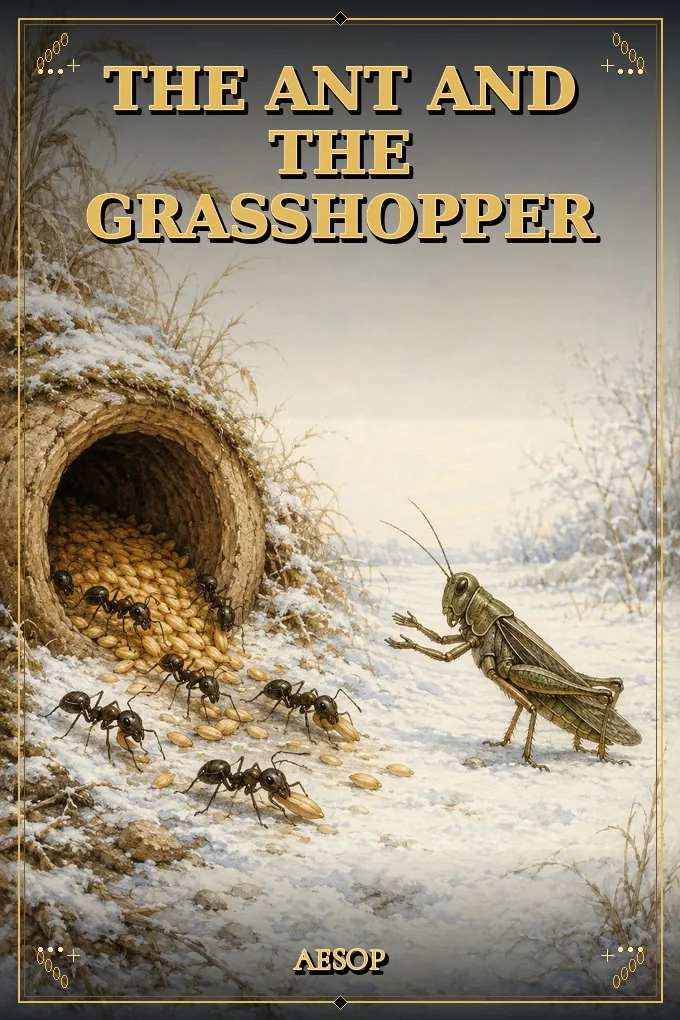
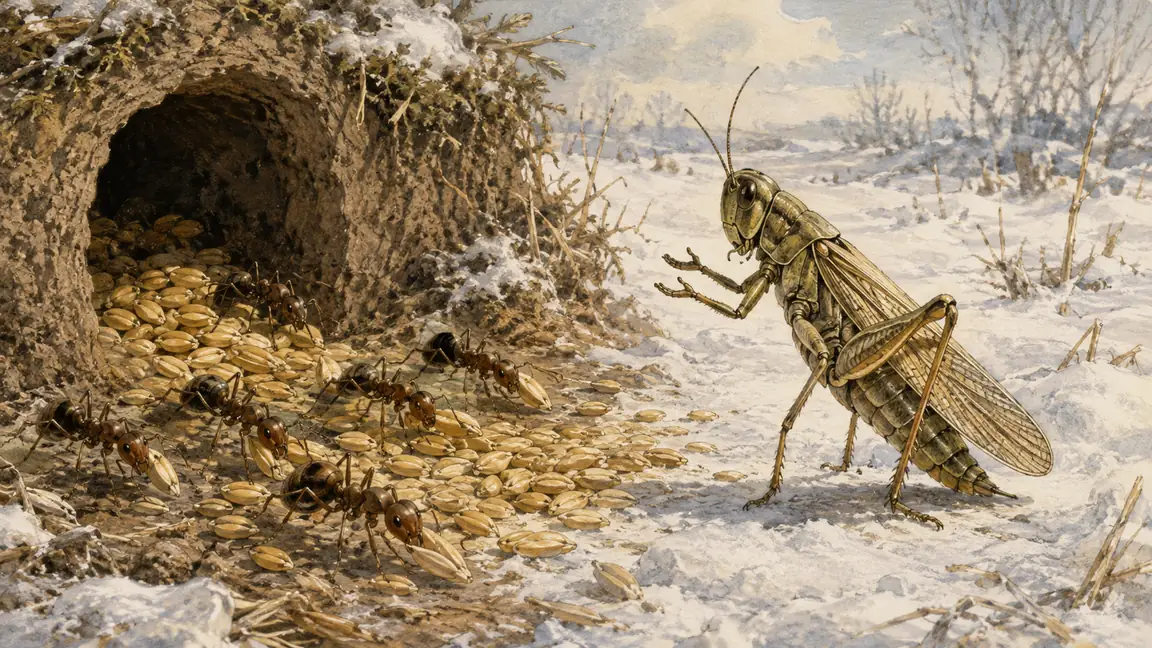
From this reading THE ANTS were spending a fine winter’s day drying grain collected in the summertime.
all
Dictionary entry pending editorial verification. Tap Listen to hear the word.
From this reading “If you were foolish enough to sing all the summer, you must dance supperless to bed in the winter.”
andconjunctionUS /ənd/
used to join words or parts of a sentence that go together
From this reading A Grasshopper, perishing with famine, passed by and earnestly begged for a little food. The Ants inquired of him,
ANTS
Dictionary entry pending editorial verification. Tap Listen to hear the word.
From this reading THE ANTS were spending a fine winter’s day drying grain collected in the summertime.
bed
Dictionary entry pending editorial verification. Tap Listen to hear the word.
From this reading “If you were foolish enough to sing all the summer, you must dance supperless to bed in the winter.”
begged
Dictionary entry pending editorial verification. Tap Listen to hear the word.
From this reading A Grasshopper, perishing with famine, passed by and earnestly begged for a little food. The Ants inquired of him,
byprepositionUS /baɪ/
showing who or what does the action
From this reading A Grasshopper, perishing with famine, passed by and earnestly begged for a little food. The Ants inquired of him,
collected
Dictionary entry pending editorial verification. Tap Listen to hear the word.
From this reading THE ANTS were spending a fine winter’s day drying grain collected in the summertime.
dance
Dictionary entry pending editorial verification. Tap Listen to hear the word.
From this reading “If you were foolish enough to sing all the summer, you must dance supperless to bed in the winter.”
day
Dictionary entry pending editorial verification. Tap Listen to hear the word.
From this reading THE ANTS were spending a fine winter’s day drying grain collected in the summertime.
days
Dictionary entry pending editorial verification. Tap Listen to hear the word.
From this reading I passed the days in singing.” They then said in derision:
derisionnounUS /dɪˈrɪʒn/
the act of treating someone or something as foolish and unworthy of respect
From this reading I passed the days in singing.” They then said in derision:
didauxiliary verbUS /dɪd/
the past form of “do”, used in questions and negatives
From this reading “Why did you not treasure up food during the summer?” He replied, “I had not leisure enough.
drying
Dictionary entry pending editorial verification. Tap Listen to hear the word.
From this reading THE ANTS were spending a fine winter’s day drying grain collected in the summertime.
duringprepositionUS /ˈdʊrɪŋ/
all through a period, or at some point within it
From this reading “Why did you not treasure up food during the summer?” He replied, “I had not leisure enough.
earnestly
Dictionary entry pending editorial verification. Tap Listen to hear the word.
From this reading A Grasshopper, perishing with famine, passed by and earnestly begged for a little food. The Ants inquired of him,
enough
Dictionary entry pending editorial verification. Tap Listen to hear the word.
From this reading “Why did you not treasure up food during the summer?” He replied, “I had not leisure enough.
faminenounUS /ˈfæmɪn/
a severe lack of food that causes great hunger
From this reading A Grasshopper, perishing with famine, passed by and earnestly begged for a little food. The Ants inquired of him,
finenounUS /fine/
an important story-specific word used in this passage
From this reading THE ANTS were spending a fine winter’s day drying grain collected in the summertime.
food
Dictionary entry pending editorial verification. Tap Listen to hear the word.
From this reading A Grasshopper, perishing with famine, passed by and earnestly begged for a little food. The Ants inquired of him,
foolish
Dictionary entry pending editorial verification. Tap Listen to hear the word.
From this reading “If you were foolish enough to sing all the summer, you must dance supperless to bed in the winter.”
forprepositionUS /fɔːr/
intended to be given to, or used by, somebody
From this reading A Grasshopper, perishing with famine, passed by and earnestly begged for a little food. The Ants inquired of him,
grainnounUS /ɡreɪn/
the small hard seeds of food crops such as wheat or barley
From this reading THE ANTS were spending a fine winter’s day drying grain collected in the summertime.
Grasshopper
Dictionary entry pending editorial verification. Tap Listen to hear the word.
From this reading A Grasshopper, perishing with famine, passed by and earnestly begged for a little food. The Ants inquired of him,
hadauxiliary verbUS /hæd/
the past form of “have”, used to form the past perfect
From this reading “Why did you not treasure up food during the summer?” He replied, “I had not leisure enough.
HepronounUS /hiː/
a man, boy, or male animal already mentioned, as the subject
From this reading “Why did you not treasure up food during the summer?” He replied, “I had not leisure enough.
himpronounUS /hɪm/
the male already mentioned, as the object of a verb or preposition
From this reading A Grasshopper, perishing with famine, passed by and earnestly begged for a little food. The Ants inquired of him,
IpronounUS /aɪ/
the person speaking or writing, as the subject of the verb
From this reading “Why did you not treasure up food during the summer?” He replied, “I had not leisure enough.
IfconjunctionUS /ɪf/
on condition that; in the event that
From this reading “If you were foolish enough to sing all the summer, you must dance supperless to bed in the winter.”
inprepositionUS /ɪn/
inside something, or within a place, period, or state
From this reading THE ANTS were spending a fine winter’s day drying grain collected in the summertime.
inquirednounUS /ˈinquired/
a story-specific word describing an important person, object, action, or idea in this passage
From this reading A Grasshopper, perishing with famine, passed by and earnestly begged for a little food. The Ants inquired of him,
leisure
Dictionary entry pending editorial verification. Tap Listen to hear the word.
From this reading “Why did you not treasure up food during the summer?” He replied, “I had not leisure enough.
littlenounUS /little/
an important story-specific word used in this passage
From this reading A Grasshopper, perishing with famine, passed by and earnestly begged for a little food. The Ants inquired of him,
mustmodal verbUS /mʌst/
used to say something is necessary, or almost certainly true
From this reading “If you were foolish enough to sing all the summer, you must dance supperless to bed in the winter.”
notadverbUS /nɑːt/
used to make a word, phrase, or sentence negative
From this reading “Why did you not treasure up food during the summer?” He replied, “I had not leisure enough.
ofprepositionUS /ʌv/
belonging to, or connected with, somebody or something
From this reading A Grasshopper, perishing with famine, passed by and earnestly begged for a little food. The Ants inquired of him,
passednounUS /passed/
an important story-specific word used in this passage
From this reading A Grasshopper, perishing with famine, passed by and earnestly begged for a little food. The Ants inquired of him,
perishing
Dictionary entry pending editorial verification. Tap Listen to hear the word.
From this reading A Grasshopper, perishing with famine, passed by and earnestly begged for a little food. The Ants inquired of him,
repliednounUS /replied/
an important story-specific word used in this passage
From this reading “Why did you not treasure up food during the summer?” He replied, “I had not leisure enough.
said
Dictionary entry pending editorial verification. Tap Listen to hear the word.
From this reading I passed the days in singing.” They then said in derision:
sing
Dictionary entry pending editorial verification. Tap Listen to hear the word.
From this reading “If you were foolish enough to sing all the summer, you must dance supperless to bed in the winter.”
singing
Dictionary entry pending editorial verification. Tap Listen to hear the word.
From this reading I passed the days in singing.” They then said in derision:
spendingnounUS /ˈspending/
a story-specific word describing an important person, object, action, or idea in this passage
From this reading THE ANTS were spending a fine winter’s day drying grain collected in the summertime.
summer
Dictionary entry pending editorial verification. Tap Listen to hear the word.
From this reading “Why did you not treasure up food during the summer?” He replied, “I had not leisure enough.
summertime
Dictionary entry pending editorial verification. Tap Listen to hear the word.
From this reading THE ANTS were spending a fine winter’s day drying grain collected in the summertime.
supperless
Dictionary entry pending editorial verification. Tap Listen to hear the word.
From this reading “If you were foolish enough to sing all the summer, you must dance supperless to bed in the winter.”
THEdeterminerUS /ðə/
used before a noun that is already known, already mentioned, or the only one of its kind
From this reading THE ANTS were spending a fine winter’s day drying grain collected in the summertime.
then
Dictionary entry pending editorial verification. Tap Listen to hear the word.
From this reading I passed the days in singing.” They then said in derision:
TheypronounUS /ðeɪ/
the people, animals, or things already mentioned, as the subject
From this reading I passed the days in singing.” They then said in derision:
toparticleUS /tuː/
used before the base form of a verb to make the infinitive
From this reading “If you were foolish enough to sing all the summer, you must dance supperless to bed in the winter.”
treasure
Dictionary entry pending editorial verification. Tap Listen to hear the word.
From this reading “Why did you not treasure up food during the summer?” He replied, “I had not leisure enough.
up
Dictionary entry pending editorial verification. Tap Listen to hear the word.
From this reading “Why did you not treasure up food during the summer?” He replied, “I had not leisure enough.
wereauxiliary verbUS /wɜːr/
the past form of “be” used with you, we, they, or a plural noun
From this reading THE ANTS were spending a fine winter’s day drying grain collected in the summertime.
Why
Dictionary entry pending editorial verification. Tap Listen to hear the word.
From this reading “Why did you not treasure up food during the summer?” He replied, “I had not leisure enough.
winter
Dictionary entry pending editorial verification. Tap Listen to hear the word.
From this reading “If you were foolish enough to sing all the summer, you must dance supperless to bed in the winter.”
winter's
Dictionary entry pending editorial verification. Tap Listen to hear the word.
From this reading THE ANTS were spending a fine winter’s day drying grain collected in the summertime.
withprepositionUS /wɪð/
in the company of; together with
From this reading A Grasshopper, perishing with famine, passed by and earnestly begged for a little food. The Ants inquired of him,
youpronounUS /juː/
the person or people being spoken to
From this reading “Why did you not treasure up food during the summer?” He replied, “I had not leisure enough.