Every word is available to listen to. Dictionary details are shown only when verified; these are not licensed Oxford entries.
AdeterminerUS /ə/
used before a singular noun to mean one of a group, when it is not a particular one
From this reading A FOX and a Monkey were traveling together on the same road.
able
Dictionary entry pending editorial verification. Tap Listen to hear the word.
From this reading The Fox replied, “You have chosen a most appropriate subject for your falsehoods, as I am sure none of your ancestors will be able to contradict you.”
All
Dictionary entry pending editorial verification. Tap Listen to hear the word.
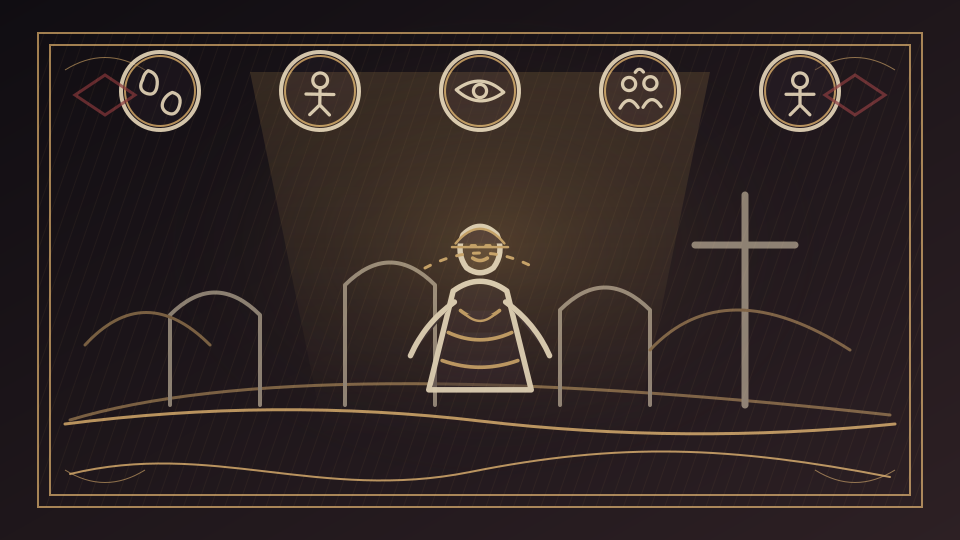
From this reading “All these monuments which you see,” said the Monkey, “are erected in honour of my ancestors, who were in their day freedmen and citizens of great renown.”
amauxiliary verbUS /æm/
the form of “be” used with “I”
From this reading The Fox replied, “You have chosen a most appropriate subject for your falsehoods, as I am sure none of your ancestors will be able to contradict you.”
ancestors
Dictionary entry pending editorial verification. Tap Listen to hear the word.
From this reading “All these monuments which you see,” said the Monkey, “are erected in honour of my ancestors, who were in their day freedmen and citizens of great renown.”
andconjunctionUS /ənd/
used to join words or parts of a sentence that go together
From this reading A FOX and a Monkey were traveling together on the same road.
appropriate
Dictionary entry pending editorial verification. Tap Listen to hear the word.
From this reading The Fox replied, “You have chosen a most appropriate subject for your falsehoods, as I am sure none of your ancestors will be able to contradict you.”
areauxiliary verbUS /ɑːr/
the form of “be” used with you, we, they, or a plural noun
From this reading “All these monuments which you see,” said the Monkey, “are erected in honour of my ancestors, who were in their day freedmen and citizens of great renown.”
AsconjunctionUS /æz/
at the same time that; because; in the way that
From this reading As they journeyed, they passed through a cemetery full of monuments.
beauxiliary verbUS /biː/
used with a past participle to form the passive, or with -ing for continuous tenses
From this reading The Fox replied, “You have chosen a most appropriate subject for your falsehoods, as I am sure none of your ancestors will be able to contradict you.”
betrays
Dictionary entry pending editorial verification. Tap Listen to hear the word.
From this reading A false tale often betrays itself.
cemeterynounUS /ˈcemetery/
a story-specific word describing an important person, object, action, or idea in this passage
From this reading As they journeyed, they passed through a cemetery full of monuments.
chosen
Dictionary entry pending editorial verification. Tap Listen to hear the word.
From this reading The Fox replied, “You have chosen a most appropriate subject for your falsehoods, as I am sure none of your ancestors will be able to contradict you.”
citizens
Dictionary entry pending editorial verification. Tap Listen to hear the word.
From this reading “All these monuments which you see,” said the Monkey, “are erected in honour of my ancestors, who were in their day freedmen and citizens of great renown.”
contradict
Dictionary entry pending editorial verification. Tap Listen to hear the word.
From this reading The Fox replied, “You have chosen a most appropriate subject for your falsehoods, as I am sure none of your ancestors will be able to contradict you.”
day
Dictionary entry pending editorial verification. Tap Listen to hear the word.
From this reading “All these monuments which you see,” said the Monkey, “are erected in honour of my ancestors, who were in their day freedmen and citizens of great renown.”
erected
Dictionary entry pending editorial verification. Tap Listen to hear the word.
From this reading “All these monuments which you see,” said the Monkey, “are erected in honour of my ancestors, who were in their day freedmen and citizens of great renown.”
false
Dictionary entry pending editorial verification. Tap Listen to hear the word.
From this reading A false tale often betrays itself.
falsehoods
Dictionary entry pending editorial verification. Tap Listen to hear the word.
From this reading The Fox replied, “You have chosen a most appropriate subject for your falsehoods, as I am sure none of your ancestors will be able to contradict you.”
forprepositionUS /fɔːr/
intended to be given to, or used by, somebody
From this reading The Fox replied, “You have chosen a most appropriate subject for your falsehoods, as I am sure none of your ancestors will be able to contradict you.”
FOX
Dictionary entry pending editorial verification. Tap Listen to hear the word.
From this reading A FOX and a Monkey were traveling together on the same road.
freedmen
Dictionary entry pending editorial verification. Tap Listen to hear the word.
From this reading “All these monuments which you see,” said the Monkey, “are erected in honour of my ancestors, who were in their day freedmen and citizens of great renown.”
full
Dictionary entry pending editorial verification. Tap Listen to hear the word.
From this reading As they journeyed, they passed through a cemetery full of monuments.
greatnounUS /great/
an important story-specific word used in this passage
From this reading “All these monuments which you see,” said the Monkey, “are erected in honour of my ancestors, who were in their day freedmen and citizens of great renown.”
haveauxiliary verbUS /hæv/
used with a past participle to form the perfect tenses
From this reading The Fox replied, “You have chosen a most appropriate subject for your falsehoods, as I am sure none of your ancestors will be able to contradict you.”
honour
Dictionary entry pending editorial verification. Tap Listen to hear the word.
From this reading “All these monuments which you see,” said the Monkey, “are erected in honour of my ancestors, who were in their day freedmen and citizens of great renown.”
IpronounUS /aɪ/
the person speaking or writing, as the subject of the verb
From this reading The Fox replied, “You have chosen a most appropriate subject for your falsehoods, as I am sure none of your ancestors will be able to contradict you.”
inprepositionUS /ɪn/
inside something, or within a place, period, or state
From this reading “All these monuments which you see,” said the Monkey, “are erected in honour of my ancestors, who were in their day freedmen and citizens of great renown.”
itselfpronounUS /ˌɪtˈself/
used when the thing doing the action is also its object
From this reading A false tale often betrays itself.
journeyed
Dictionary entry pending editorial verification. Tap Listen to hear the word.
From this reading As they journeyed, they passed through a cemetery full of monuments.
Monkey
Dictionary entry pending editorial verification. Tap Listen to hear the word.
From this reading A FOX and a Monkey were traveling together on the same road.
monuments
Dictionary entry pending editorial verification. Tap Listen to hear the word.
From this reading As they journeyed, they passed through a cemetery full of monuments.
most
Dictionary entry pending editorial verification. Tap Listen to hear the word.
From this reading The Fox replied, “You have chosen a most appropriate subject for your falsehoods, as I am sure none of your ancestors will be able to contradict you.”
mydeterminerUS /maɪ/
belonging to the person speaking
From this reading “All these monuments which you see,” said the Monkey, “are erected in honour of my ancestors, who were in their day freedmen and citizens of great renown.”
nonepronounUS /nʌn/
not one, and not any
From this reading The Fox replied, “You have chosen a most appropriate subject for your falsehoods, as I am sure none of your ancestors will be able to contradict you.”
ofprepositionUS /ʌv/
belonging to, or connected with, somebody or something
From this reading As they journeyed, they passed through a cemetery full of monuments.
often
Dictionary entry pending editorial verification. Tap Listen to hear the word.
From this reading A false tale often betrays itself.
onprepositionUS /ɑːn/
touching and supported by a surface
From this reading A FOX and a Monkey were traveling together on the same road.
passednounUS /passed/
an important story-specific word used in this passage
From this reading As they journeyed, they passed through a cemetery full of monuments.
renown
Dictionary entry pending editorial verification. Tap Listen to hear the word.
From this reading “All these monuments which you see,” said the Monkey, “are erected in honour of my ancestors, who were in their day freedmen and citizens of great renown.”
repliednounUS /replied/
an important story-specific word used in this passage
From this reading The Fox replied, “You have chosen a most appropriate subject for your falsehoods, as I am sure none of your ancestors will be able to contradict you.”
road
Dictionary entry pending editorial verification. Tap Listen to hear the word.
From this reading A FOX and a Monkey were traveling together on the same road.
said
Dictionary entry pending editorial verification. Tap Listen to hear the word.
From this reading “All these monuments which you see,” said the Monkey, “are erected in honour of my ancestors, who were in their day freedmen and citizens of great renown.”
samenounUS /same/
an important story-specific word used in this passage
From this reading A FOX and a Monkey were traveling together on the same road.
see
Dictionary entry pending editorial verification. Tap Listen to hear the word.
From this reading “All these monuments which you see,” said the Monkey, “are erected in honour of my ancestors, who were in their day freedmen and citizens of great renown.”
subject
Dictionary entry pending editorial verification. Tap Listen to hear the word.
From this reading The Fox replied, “You have chosen a most appropriate subject for your falsehoods, as I am sure none of your ancestors will be able to contradict you.”
surenounUS /sure/
an important story-specific word used in this passage
From this reading The Fox replied, “You have chosen a most appropriate subject for your falsehoods, as I am sure none of your ancestors will be able to contradict you.”
tale
Dictionary entry pending editorial verification. Tap Listen to hear the word.
From this reading A false tale often betrays itself.
thedeterminerUS /ðə/
used before a noun that is already known, already mentioned, or the only one of its kind
From this reading A FOX and a Monkey were traveling together on the same road.
theirdeterminerUS /ðer/
belonging to the people or things already mentioned
From this reading “All these monuments which you see,” said the Monkey, “are erected in honour of my ancestors, who were in their day freedmen and citizens of great renown.”
thesedeterminerUS /ðiːz/
the plural of “this”: the people or things near, or just mentioned
From this reading “All these monuments which you see,” said the Monkey, “are erected in honour of my ancestors, who were in their day freedmen and citizens of great renown.”
theypronounUS /ðeɪ/
the people, animals, or things already mentioned, as the subject
From this reading As they journeyed, they passed through a cemetery full of monuments.
throughnounUS /ˈthrough/
a story-specific word describing an important person, object, action, or idea in this passage
From this reading As they journeyed, they passed through a cemetery full of monuments.
toparticleUS /tuː/
used before the base form of a verb to make the infinitive
From this reading The Fox replied, “You have chosen a most appropriate subject for your falsehoods, as I am sure none of your ancestors will be able to contradict you.”
together
Dictionary entry pending editorial verification. Tap Listen to hear the word.
From this reading A FOX and a Monkey were traveling together on the same road.
traveling
Dictionary entry pending editorial verification. Tap Listen to hear the word.
From this reading A FOX and a Monkey were traveling together on the same road.
wereauxiliary verbUS /wɜːr/
the past form of “be” used with you, we, they, or a plural noun
From this reading A FOX and a Monkey were traveling together on the same road.
whichpronounUS /wɪtʃ/
used to introduce a clause giving more about a thing just mentioned
From this reading “All these monuments which you see,” said the Monkey, “are erected in honour of my ancestors, who were in their day freedmen and citizens of great renown.”
whopronounUS /huː/
which person or people
From this reading “All these monuments which you see,” said the Monkey, “are erected in honour of my ancestors, who were in their day freedmen and citizens of great renown.”
willmodal verbUS /wɪl/
used to talk about the future, or about willingness
From this reading The Fox replied, “You have chosen a most appropriate subject for your falsehoods, as I am sure none of your ancestors will be able to contradict you.”
youpronounUS /juː/
the person or people being spoken to
From this reading “All these monuments which you see,” said the Monkey, “are erected in honour of my ancestors, who were in their day freedmen and citizens of great renown.”
yourdeterminerUS /jɔːr/
belonging to the person or people being spoken to
From this reading The Fox replied, “You have chosen a most appropriate subject for your falsehoods, as I am sure none of your ancestors will be able to contradict you.”