Every word is available to listen to. Dictionary details are shown only when verified; these are not licensed Oxford entries.
AdeterminerUS /ə/
used before a singular noun to mean one of a group, when it is not a particular one
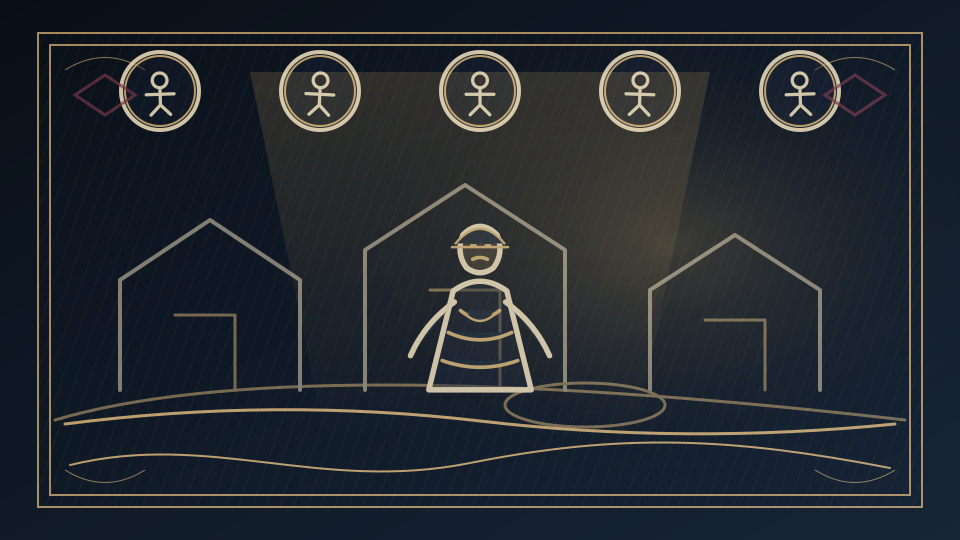
From this reading THE MAD GOD A small number of white men lived in Fort Yukon.
andconjunctionUS /ənd/
used to join words or parts of a sentence that go together
From this reading They called themselves Sour-doughs, and took great pride in so classifying themselves.
ashore
Dictionary entry pending editorial verification. Tap Listen to hear the word.
From this reading The men who came ashore from the steamers were newcomers.
beenauxiliary verbUS /bɪn/
the past participle of “be”
From this reading These men had been long in the country.
butconjunctionUS /bʌt/
used to introduce something that contrasts with what came before
From this reading For other men, new in the land, they felt nothing but disdain.
called
Dictionary entry pending editorial verification. Tap Listen to hear the word.
From this reading They called themselves Sour-doughs, and took great pride in so classifying themselves.
came
Dictionary entry pending editorial verification. Tap Listen to hear the word.
From this reading The men who came ashore from the steamers were newcomers.
classifying
Dictionary entry pending editorial verification. Tap Listen to hear the word.
From this reading They called themselves Sour-doughs, and took great pride in so classifying themselves.
country
Dictionary entry pending editorial verification. Tap Listen to hear the word.
From this reading These men had been long in the country.
disdain
Dictionary entry pending editorial verification. Tap Listen to hear the word.
From this reading For other men, new in the land, they felt nothing but disdain.
felt
Dictionary entry pending editorial verification. Tap Listen to hear the word.
From this reading For other men, new in the land, they felt nothing but disdain.
ForprepositionUS /fɔːr/
intended to be given to, or used by, somebody
From this reading For other men, new in the land, they felt nothing but disdain.
Fort
Dictionary entry pending editorial verification. Tap Listen to hear the word.
From this reading THE MAD GOD A small number of white men lived in Fort Yukon.
fromprepositionUS /frʌm/
showing where something starts, or who sent it
From this reading The men who came ashore from the steamers were newcomers.
GOD
Dictionary entry pending editorial verification. Tap Listen to hear the word.
From this reading THE MAD GOD A small number of white men lived in Fort Yukon.
greatnounUS /great/
an important story-specific word used in this passage
From this reading They called themselves Sour-doughs, and took great pride in so classifying themselves.
hadauxiliary verbUS /hæd/
the past form of “have”, used to form the past perfect
From this reading These men had been long in the country.
inprepositionUS /ɪn/
inside something, or within a place, period, or state
From this reading THE MAD GOD A small number of white men lived in Fort Yukon.
land
Dictionary entry pending editorial verification. Tap Listen to hear the word.
From this reading For other men, new in the land, they felt nothing but disdain.
lived
Dictionary entry pending editorial verification. Tap Listen to hear the word.
From this reading THE MAD GOD A small number of white men lived in Fort Yukon.
longnounUS /long/
an important story-specific word used in this passage
From this reading These men had been long in the country.
MAD
Dictionary entry pending editorial verification. Tap Listen to hear the word.
From this reading THE MAD GOD A small number of white men lived in Fort Yukon.
men
Dictionary entry pending editorial verification. Tap Listen to hear the word.
From this reading THE MAD GOD A small number of white men lived in Fort Yukon.
new
Dictionary entry pending editorial verification. Tap Listen to hear the word.
From this reading For other men, new in the land, they felt nothing but disdain.
newcomers
Dictionary entry pending editorial verification. Tap Listen to hear the word.
From this reading The men who came ashore from the steamers were newcomers.
nothingpronounUS /ˈnʌθɪŋ/
not one thing; not anything
From this reading For other men, new in the land, they felt nothing but disdain.
numbernounUS /ˈnʌmbər/
the property possessed by a sum or total or indefinite quantity of units or individuals
From this reading THE MAD GOD A small number of white men lived in Fort Yukon.
ofprepositionUS /ʌv/
belonging to, or connected with, somebody or something
From this reading THE MAD GOD A small number of white men lived in Fort Yukon.
other
Dictionary entry pending editorial verification. Tap Listen to hear the word.
From this reading For other men, new in the land, they felt nothing but disdain.
pride
Dictionary entry pending editorial verification. Tap Listen to hear the word.
From this reading They called themselves Sour-doughs, and took great pride in so classifying themselves.
small
Dictionary entry pending editorial verification. Tap Listen to hear the word.
From this reading THE MAD GOD A small number of white men lived in Fort Yukon.
soconjunctionUS /soʊ/
for that reason; with the result that
From this reading They called themselves Sour-doughs, and took great pride in so classifying themselves.
Sour-doughs
Dictionary entry pending editorial verification. Tap Listen to hear the word.
From this reading They called themselves Sour-doughs, and took great pride in so classifying themselves.
steamers
Dictionary entry pending editorial verification. Tap Listen to hear the word.
From this reading The men who came ashore from the steamers were newcomers.
THEdeterminerUS /ðə/
used before a noun that is already known, already mentioned, or the only one of its kind
From this reading THE MAD GOD A small number of white men lived in Fort Yukon.
themselvespronounUS /ðemˈselvz/
used when the people doing the action are also its object
From this reading They called themselves Sour-doughs, and took great pride in so classifying themselves.
ThesedeterminerUS /ðiːz/
the plural of “this”: the people or things near, or just mentioned
From this reading These men had been long in the country.
TheypronounUS /ðeɪ/
the people, animals, or things already mentioned, as the subject
From this reading They called themselves Sour-doughs, and took great pride in so classifying themselves.
tooknounUS /took/
an important story-specific word used in this passage
From this reading They called themselves Sour-doughs, and took great pride in so classifying themselves.
wereauxiliary verbUS /wɜːr/
the past form of “be” used with you, we, they, or a plural noun
From this reading The men who came ashore from the steamers were newcomers.
white
Dictionary entry pending editorial verification. Tap Listen to hear the word.
From this reading THE MAD GOD A small number of white men lived in Fort Yukon.
whopronounUS /huː/
which person or people
From this reading The men who came ashore from the steamers were newcomers.
Yukon
Dictionary entry pending editorial verification. Tap Listen to hear the word.
From this reading THE MAD GOD A small number of white men lived in Fort Yukon.