Every word is available to listen to. Dictionary details are shown only when verified; these are not licensed Oxford entries.
adeterminerUS /ə/
used before a singular noun to mean one of a group, when it is not a particular one
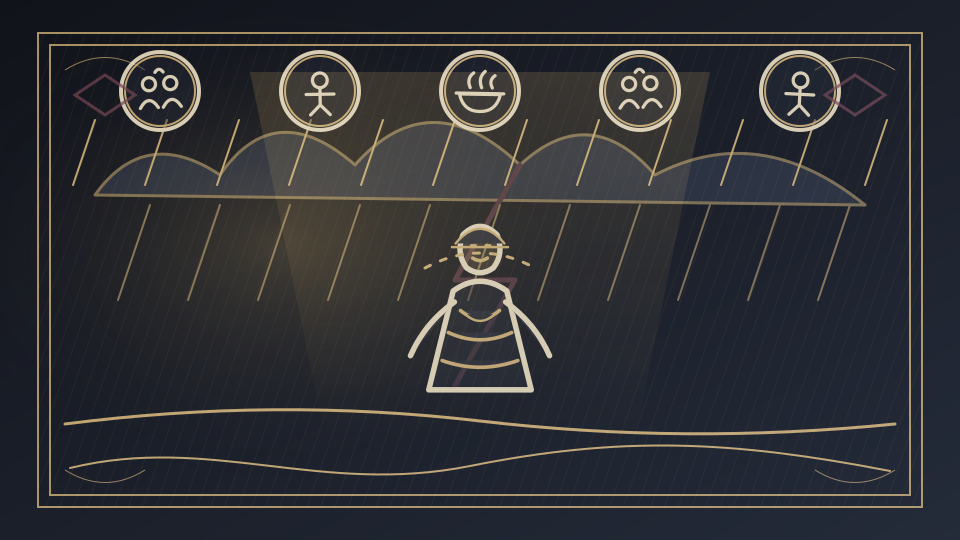
From this reading I had no shelter—no covering—to get clothing was to forego all my advantage, to make myself a strange and terrible thing.
advantage
Dictionary entry pending editorial verification. Tap Listen to hear the word.
From this reading I had no shelter—no covering—to get clothing was to forego all my advantage, to make myself a strange and terrible thing.
againnounUS /again/
an important story-specific word used in this passage
From this reading I was fasting; for to eat, to fill myself with unassimilated matter, would be to become grotesquely visible again.”
all
Dictionary entry pending editorial verification. Tap Listen to hear the word.
From this reading I had no shelter—no covering—to get clothing was to forego all my advantage, to make myself a strange and terrible thing.
andconjunctionUS /ənd/
used to join words or parts of a sentence that go together
From this reading I had no shelter—no covering—to get clothing was to forego all my advantage, to make myself a strange and terrible thing.
beauxiliary verbUS /biː/
used with a past participle to form the passive, or with -ing for continuous tenses
From this reading I was fasting; for to eat, to fill myself with unassimilated matter, would be to become grotesquely visible again.”
become
Dictionary entry pending editorial verification. Tap Listen to hear the word.
From this reading I was fasting; for to eat, to fill myself with unassimilated matter, would be to become grotesquely visible again.”
begin
Dictionary entry pending editorial verification. Tap Listen to hear the word.
From this reading IN DRURY LANE “But you begin now to realise,” said the Invisible Man, “the full disadvantage of my condition.
ButconjunctionUS /bʌt/
used to introduce something that contrasts with what came before
From this reading IN DRURY LANE “But you begin now to realise,” said the Invisible Man, “the full disadvantage of my condition.
clothing
Dictionary entry pending editorial verification. Tap Listen to hear the word.
From this reading I had no shelter—no covering—to get clothing was to forego all my advantage, to make myself a strange and terrible thing.
condition
Dictionary entry pending editorial verification. Tap Listen to hear the word.
From this reading IN DRURY LANE “But you begin now to realise,” said the Invisible Man, “the full disadvantage of my condition.
covering
Dictionary entry pending editorial verification. Tap Listen to hear the word.
From this reading I had no shelter—no covering—to get clothing was to forego all my advantage, to make myself a strange and terrible thing.
dangers
Dictionary entry pending editorial verification. Tap Listen to hear the word.
From this reading “Nor had I. And the snow had warned me of other dangers.
disadvantage
Dictionary entry pending editorial verification. Tap Listen to hear the word.
From this reading IN DRURY LANE “But you begin now to realise,” said the Invisible Man, “the full disadvantage of my condition.
DRURY
Dictionary entry pending editorial verification. Tap Listen to hear the word.
From this reading IN DRURY LANE “But you begin now to realise,” said the Invisible Man, “the full disadvantage of my condition.
eat
Dictionary entry pending editorial verification. Tap Listen to hear the word.
From this reading I was fasting; for to eat, to fill myself with unassimilated matter, would be to become grotesquely visible again.”
fasting
Dictionary entry pending editorial verification. Tap Listen to hear the word.
From this reading I was fasting; for to eat, to fill myself with unassimilated matter, would be to become grotesquely visible again.”
fill
Dictionary entry pending editorial verification. Tap Listen to hear the word.
From this reading I was fasting; for to eat, to fill myself with unassimilated matter, would be to become grotesquely visible again.”
forprepositionUS /fɔːr/
intended to be given to, or used by, somebody
From this reading I was fasting; for to eat, to fill myself with unassimilated matter, would be to become grotesquely visible again.”
forego
Dictionary entry pending editorial verification. Tap Listen to hear the word.
From this reading I had no shelter—no covering—to get clothing was to forego all my advantage, to make myself a strange and terrible thing.
full
Dictionary entry pending editorial verification. Tap Listen to hear the word.
From this reading IN DRURY LANE “But you begin now to realise,” said the Invisible Man, “the full disadvantage of my condition.
get
Dictionary entry pending editorial verification. Tap Listen to hear the word.
From this reading I had no shelter—no covering—to get clothing was to forego all my advantage, to make myself a strange and terrible thing.
grotesquely
Dictionary entry pending editorial verification. Tap Listen to hear the word.
From this reading I was fasting; for to eat, to fill myself with unassimilated matter, would be to become grotesquely visible again.”
hadauxiliary verbUS /hæd/
the past form of “have”, used to form the past perfect
From this reading I had no shelter—no covering—to get clothing was to forego all my advantage, to make myself a strange and terrible thing.
IpronounUS /aɪ/
the person speaking or writing, as the subject of the verb
From this reading I had no shelter—no covering—to get clothing was to forego all my advantage, to make myself a strange and terrible thing.
INprepositionUS /ɪn/
inside something, or within a place, period, or state
From this reading IN DRURY LANE “But you begin now to realise,” said the Invisible Man, “the full disadvantage of my condition.
Invisible
Dictionary entry pending editorial verification. Tap Listen to hear the word.
From this reading IN DRURY LANE “But you begin now to realise,” said the Invisible Man, “the full disadvantage of my condition.
Kemp
Dictionary entry pending editorial verification. Tap Listen to hear the word.
From this reading “I never thought of that,” said Kemp.
LANEnounUS /leɪn/
a narrow way or road
From this reading IN DRURY LANE “But you begin now to realise,” said the Invisible Man, “the full disadvantage of my condition.
makenounUS /make/
an important story-specific word used in this passage
From this reading I had no shelter—no covering—to get clothing was to forego all my advantage, to make myself a strange and terrible thing.
Man
Dictionary entry pending editorial verification. Tap Listen to hear the word.
From this reading IN DRURY LANE “But you begin now to realise,” said the Invisible Man, “the full disadvantage of my condition.
matter
Dictionary entry pending editorial verification. Tap Listen to hear the word.
From this reading I was fasting; for to eat, to fill myself with unassimilated matter, would be to become grotesquely visible again.”
mepronounUS /miː/
the person speaking, as the object of a verb or preposition
From this reading “Nor had I. And the snow had warned me of other dangers.
mydeterminerUS /maɪ/
belonging to the person speaking
From this reading IN DRURY LANE “But you begin now to realise,” said the Invisible Man, “the full disadvantage of my condition.
myselfpronounUS /ˌmaɪˈself/
used when the speaker is also the object of the action
From this reading I had no shelter—no covering—to get clothing was to forego all my advantage, to make myself a strange and terrible thing.
nevernounUS /never/
an important story-specific word used in this passage
From this reading “I never thought of that,” said Kemp.
nodeterminerUS /noʊ/
not any; not one
From this reading I had no shelter—no covering—to get clothing was to forego all my advantage, to make myself a strange and terrible thing.
NorconjunctionUS /nɔːr/
and not; used after a negative to add a second negative
From this reading “Nor had I. And the snow had warned me of other dangers.
now
Dictionary entry pending editorial verification. Tap Listen to hear the word.
From this reading IN DRURY LANE “But you begin now to realise,” said the Invisible Man, “the full disadvantage of my condition.
ofprepositionUS /ʌv/
belonging to, or connected with, somebody or something
From this reading IN DRURY LANE “But you begin now to realise,” said the Invisible Man, “the full disadvantage of my condition.
other
Dictionary entry pending editorial verification. Tap Listen to hear the word.
From this reading “Nor had I. And the snow had warned me of other dangers.
realise
Dictionary entry pending editorial verification. Tap Listen to hear the word.
From this reading IN DRURY LANE “But you begin now to realise,” said the Invisible Man, “the full disadvantage of my condition.
said
Dictionary entry pending editorial verification. Tap Listen to hear the word.
From this reading IN DRURY LANE “But you begin now to realise,” said the Invisible Man, “the full disadvantage of my condition.
shelter
Dictionary entry pending editorial verification. Tap Listen to hear the word.
From this reading I had no shelter—no covering—to get clothing was to forego all my advantage, to make myself a strange and terrible thing.
snow
Dictionary entry pending editorial verification. Tap Listen to hear the word.
From this reading “Nor had I. And the snow had warned me of other dangers.
strange
Dictionary entry pending editorial verification. Tap Listen to hear the word.
From this reading I had no shelter—no covering—to get clothing was to forego all my advantage, to make myself a strange and terrible thing.
terriblenounUS /ˈterrible/
a story-specific word describing an important person, object, action, or idea in this passage
From this reading I had no shelter—no covering—to get clothing was to forego all my advantage, to make myself a strange and terrible thing.
thatconjunctionUS /ðæt/
used to introduce what somebody said, thought, or felt
From this reading “I never thought of that,” said Kemp.
thedeterminerUS /ðə/
used before a noun that is already known, already mentioned, or the only one of its kind
From this reading IN DRURY LANE “But you begin now to realise,” said the Invisible Man, “the full disadvantage of my condition.
thingnounUS /thing/
an important story-specific word used in this passage
From this reading I had no shelter—no covering—to get clothing was to forego all my advantage, to make myself a strange and terrible thing.
thoughtnounUS /thought/
an important story-specific word used in this passage
From this reading “I never thought of that,” said Kemp.
toparticleUS /tuː/
used before the base form of a verb to make the infinitive
From this reading IN DRURY LANE “But you begin now to realise,” said the Invisible Man, “the full disadvantage of my condition.
unassimilated
Dictionary entry pending editorial verification. Tap Listen to hear the word.
From this reading I was fasting; for to eat, to fill myself with unassimilated matter, would be to become grotesquely visible again.”
visible
Dictionary entry pending editorial verification. Tap Listen to hear the word.
From this reading I was fasting; for to eat, to fill myself with unassimilated matter, would be to become grotesquely visible again.”
warned
Dictionary entry pending editorial verification. Tap Listen to hear the word.
From this reading “Nor had I. And the snow had warned me of other dangers.
wasauxiliary verbUS /wɑːz/
the past form of “be” used with I, he, she, it, or a singular noun
From this reading I had no shelter—no covering—to get clothing was to forego all my advantage, to make myself a strange and terrible thing.
withprepositionUS /wɪð/
in the company of; together with
From this reading I was fasting; for to eat, to fill myself with unassimilated matter, would be to become grotesquely visible again.”
wouldmodal verbUS /wʊd/
used for something imagined, polite, or habitual in the past
From this reading I was fasting; for to eat, to fill myself with unassimilated matter, would be to become grotesquely visible again.”
youpronounUS /juː/
the person or people being spoken to
From this reading IN DRURY LANE “But you begin now to realise,” said the Invisible Man, “the full disadvantage of my condition.