Every word is available to listen to. Dictionary details are shown only when verified; these are not licensed Oxford entries.
adeterminerUS /ə/
used before a singular noun to mean one of a group, when it is not a particular one
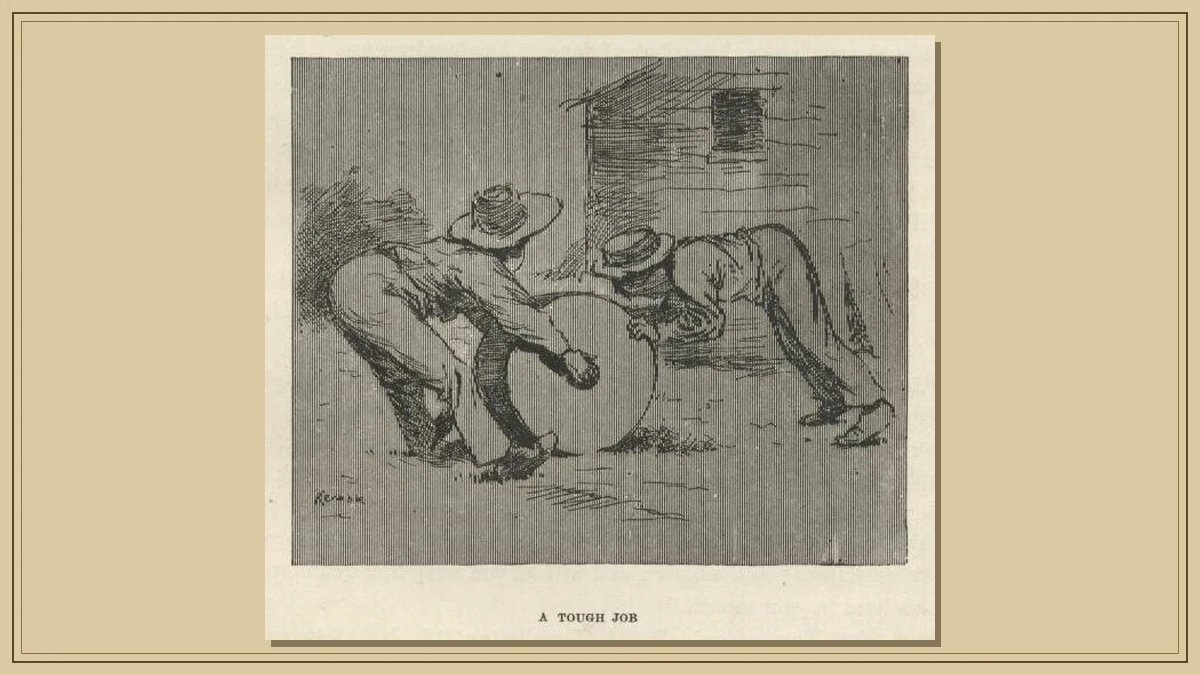
From this reading Making them pens was a distressid tough job, and so was the saw; and Jim allowed the inscription was going to be the toughest of all.
all
Dictionary entry pending editorial verification. Tap Listen to hear the word.
From this reading Making them pens was a distressid tough job, and so was the saw; and Jim allowed the inscription was going to be the toughest of all.
allowed
Dictionary entry pending editorial verification. Tap Listen to hear the word.
From this reading Making them pens was a distressid tough job, and so was the saw; and Jim allowed the inscription was going to be the toughest of all.
andconjunctionUS /ənd/
used to join words or parts of a sentence that go together
From this reading Making them pens was a distressid tough job, and so was the saw; and Jim allowed the inscription was going to be the toughest of all.
arms
Dictionary entry pending editorial verification. Tap Listen to hear the word.
From this reading But he had to have it; Tom said he’d got to; there warn’t no case of a state prisoner not scrabbling his inscription to leave behind, and his coat of arms.
aroundprepositionUS /ərˈaʊnd/
surrounding, or on every side of, something
From this reading Why, Huck, s’pose it is considerble trouble?—what you going to do?—how you going to get around it?
atprepositionUS /æt/
in or near a particular place or position
From this reading “Look at Lady Jane Grey,” he says; “look at Gilford Dudley; look at old Northumberland!
beauxiliary verbUS /biː/
used with a past participle to form the passive, or with -ing for continuous tenses
From this reading Making them pens was a distressid tough job, and so was the saw; and Jim allowed the inscription was going to be the toughest of all.
behindprepositionUS /bɪˈhaɪnd/
at or toward the back of something
From this reading But he had to have it; Tom said he’d got to; there warn’t no case of a state prisoner not scrabbling his inscription to leave behind, and his coat of arms.
ButconjunctionUS /bʌt/
used to introduce something that contrasts with what came before
From this reading But he had to have it; Tom said he’d got to; there warn’t no case of a state prisoner not scrabbling his inscription to leave behind, and his coat of arms.
case
Dictionary entry pending editorial verification. Tap Listen to hear the word.
From this reading But he had to have it; Tom said he’d got to; there warn’t no case of a state prisoner not scrabbling his inscription to leave behind, and his coat of arms.
coat
Dictionary entry pending editorial verification. Tap Listen to hear the word.
From this reading But he had to have it; Tom said he’d got to; there warn’t no case of a state prisoner not scrabbling his inscription to leave behind, and his coat of arms.
considerble
Dictionary entry pending editorial verification. Tap Listen to hear the word.
From this reading Why, Huck, s’pose it is considerble trouble?—what you going to do?—how you going to get around it?
distressid
Dictionary entry pending editorial verification. Tap Listen to hear the word.
From this reading Making them pens was a distressid tough job, and so was the saw; and Jim allowed the inscription was going to be the toughest of all.
doauxiliary verbUS /duː/
used to form questions and negatives, and to give emphasis
From this reading Why, Huck, s’pose it is considerble trouble?—what you going to do?—how you going to get around it?
Dudley
Dictionary entry pending editorial verification. Tap Listen to hear the word.
From this reading “Look at Lady Jane Grey,” he says; “look at Gilford Dudley; look at old Northumberland!
get
Dictionary entry pending editorial verification. Tap Listen to hear the word.
From this reading Why, Huck, s’pose it is considerble trouble?—what you going to do?—how you going to get around it?
Gilford
Dictionary entry pending editorial verification. Tap Listen to hear the word.
From this reading “Look at Lady Jane Grey,” he says; “look at Gilford Dudley; look at old Northumberland!
going
Dictionary entry pending editorial verification. Tap Listen to hear the word.
From this reading Making them pens was a distressid tough job, and so was the saw; and Jim allowed the inscription was going to be the toughest of all.
got
Dictionary entry pending editorial verification. Tap Listen to hear the word.
From this reading But he had to have it; Tom said he’d got to; there warn’t no case of a state prisoner not scrabbling his inscription to leave behind, and his coat of arms.
Grey
Dictionary entry pending editorial verification. Tap Listen to hear the word.
From this reading “Look at Lady Jane Grey,” he says; “look at Gilford Dudley; look at old Northumberland!
hadauxiliary verbUS /hæd/
the past form of “have”, used to form the past perfect
From this reading But he had to have it; Tom said he’d got to; there warn’t no case of a state prisoner not scrabbling his inscription to leave behind, and his coat of arms.
hasauxiliary verbUS /hæz/
the form of “have” used with he, she, it, or a singular noun
From this reading That’s the one which the prisoner has to scrabble on the wall.
haveauxiliary verbUS /hæv/
used with a past participle to form the perfect tenses
From this reading But he had to have it; Tom said he’d got to; there warn’t no case of a state prisoner not scrabbling his inscription to leave behind, and his coat of arms.
hepronounUS /hiː/
a man, boy, or male animal already mentioned, as the subject
From this reading But he had to have it; Tom said he’d got to; there warn’t no case of a state prisoner not scrabbling his inscription to leave behind, and his coat of arms.
he'd
Dictionary entry pending editorial verification. Tap Listen to hear the word.
From this reading But he had to have it; Tom said he’d got to; there warn’t no case of a state prisoner not scrabbling his inscription to leave behind, and his coat of arms.
hisdeterminerUS /hɪz/
belonging to a man, boy, or male animal already mentioned
From this reading But he had to have it; Tom said he’d got to; there warn’t no case of a state prisoner not scrabbling his inscription to leave behind, and his coat of arms.
how
Dictionary entry pending editorial verification. Tap Listen to hear the word.
From this reading Why, Huck, s’pose it is considerble trouble?—what you going to do?—how you going to get around it?
Huck
Dictionary entry pending editorial verification. Tap Listen to hear the word.
From this reading Why, Huck, s’pose it is considerble trouble?—what you going to do?—how you going to get around it?
inscription
Dictionary entry pending editorial verification. Tap Listen to hear the word.
From this reading Making them pens was a distressid tough job, and so was the saw; and Jim allowed the inscription was going to be the toughest of all.
isauxiliary verbUS /ɪz/
the form of “be” used with he, she, it, or a singular noun
From this reading Why, Huck, s’pose it is considerble trouble?—what you going to do?—how you going to get around it?
itpronounUS /ɪt/
a thing, animal, or idea already mentioned
From this reading But he had to have it; Tom said he’d got to; there warn’t no case of a state prisoner not scrabbling his inscription to leave behind, and his coat of arms.
Jane
Dictionary entry pending editorial verification. Tap Listen to hear the word.
From this reading “Look at Lady Jane Grey,” he says; “look at Gilford Dudley; look at old Northumberland!
Jim
Dictionary entry pending editorial verification. Tap Listen to hear the word.
From this reading Making them pens was a distressid tough job, and so was the saw; and Jim allowed the inscription was going to be the toughest of all.
job
Dictionary entry pending editorial verification. Tap Listen to hear the word.
From this reading Making them pens was a distressid tough job, and so was the saw; and Jim allowed the inscription was going to be the toughest of all.
Lady
Dictionary entry pending editorial verification. Tap Listen to hear the word.
From this reading “Look at Lady Jane Grey,” he says; “look at Gilford Dudley; look at old Northumberland!
leave
Dictionary entry pending editorial verification. Tap Listen to hear the word.
From this reading But he had to have it; Tom said he’d got to; there warn’t no case of a state prisoner not scrabbling his inscription to leave behind, and his coat of arms.
LooknounUS /look/
an important story-specific word used in this passage
From this reading “Look at Lady Jane Grey,” he says; “look at Gilford Dudley; look at old Northumberland!
MakingnounUS /ˈmeɪkɪŋ/
the act that results in something coming to be
From this reading Making them pens was a distressid tough job, and so was the saw; and Jim allowed the inscription was going to be the toughest of all.
nodeterminerUS /noʊ/
not any; not one
From this reading But he had to have it; Tom said he’d got to; there warn’t no case of a state prisoner not scrabbling his inscription to leave behind, and his coat of arms.
Northumberland
Dictionary entry pending editorial verification. Tap Listen to hear the word.
From this reading “Look at Lady Jane Grey,” he says; “look at Gilford Dudley; look at old Northumberland!
notadverbUS /nɑːt/
used to make a word, phrase, or sentence negative
From this reading But he had to have it; Tom said he’d got to; there warn’t no case of a state prisoner not scrabbling his inscription to leave behind, and his coat of arms.
ofprepositionUS /ʌv/
belonging to, or connected with, somebody or something
From this reading Making them pens was a distressid tough job, and so was the saw; and Jim allowed the inscription was going to be the toughest of all.
old
Dictionary entry pending editorial verification. Tap Listen to hear the word.
From this reading “Look at Lady Jane Grey,” he says; “look at Gilford Dudley; look at old Northumberland!
onprepositionUS /ɑːn/
touching and supported by a surface
From this reading That’s the one which the prisoner has to scrabble on the wall.
onepronounUS /wʌn/
used to mean any person in general, including the speaker
From this reading That’s the one which the prisoner has to scrabble on the wall.
pens
Dictionary entry pending editorial verification. Tap Listen to hear the word.
From this reading Making them pens was a distressid tough job, and so was the saw; and Jim allowed the inscription was going to be the toughest of all.
prisoner
Dictionary entry pending editorial verification. Tap Listen to hear the word.
From this reading That’s the one which the prisoner has to scrabble on the wall.
s'pose
Dictionary entry pending editorial verification. Tap Listen to hear the word.
From this reading Why, Huck, s’pose it is considerble trouble?—what you going to do?—how you going to get around it?
said
Dictionary entry pending editorial verification. Tap Listen to hear the word.
From this reading But he had to have it; Tom said he’d got to; there warn’t no case of a state prisoner not scrabbling his inscription to leave behind, and his coat of arms.
saw
Dictionary entry pending editorial verification. Tap Listen to hear the word.
From this reading Making them pens was a distressid tough job, and so was the saw; and Jim allowed the inscription was going to be the toughest of all.
says
Dictionary entry pending editorial verification. Tap Listen to hear the word.
From this reading “Look at Lady Jane Grey,” he says; “look at Gilford Dudley; look at old Northumberland!
scrabble
Dictionary entry pending editorial verification. Tap Listen to hear the word.
From this reading That’s the one which the prisoner has to scrabble on the wall.
scrabbling
Dictionary entry pending editorial verification. Tap Listen to hear the word.
From this reading But he had to have it; Tom said he’d got to; there warn’t no case of a state prisoner not scrabbling his inscription to leave behind, and his coat of arms.
soconjunctionUS /soʊ/
for that reason; with the result that
From this reading Making them pens was a distressid tough job, and so was the saw; and Jim allowed the inscription was going to be the toughest of all.
state
Dictionary entry pending editorial verification. Tap Listen to hear the word.
From this reading But he had to have it; Tom said he’d got to; there warn’t no case of a state prisoner not scrabbling his inscription to leave behind, and his coat of arms.
That's
Dictionary entry pending editorial verification. Tap Listen to hear the word.
From this reading That’s the one which the prisoner has to scrabble on the wall.
thedeterminerUS /ðə/
used before a noun that is already known, already mentioned, or the only one of its kind
From this reading Making them pens was a distressid tough job, and so was the saw; and Jim allowed the inscription was going to be the toughest of all.
thempronounUS /ðem/
the people or things already mentioned, as the object
From this reading Making them pens was a distressid tough job, and so was the saw; and Jim allowed the inscription was going to be the toughest of all.
there
Dictionary entry pending editorial verification. Tap Listen to hear the word.
From this reading But he had to have it; Tom said he’d got to; there warn’t no case of a state prisoner not scrabbling his inscription to leave behind, and his coat of arms.
toparticleUS /tuː/
used before the base form of a verb to make the infinitive
From this reading Making them pens was a distressid tough job, and so was the saw; and Jim allowed the inscription was going to be the toughest of all.
Tom
Dictionary entry pending editorial verification. Tap Listen to hear the word.
From this reading But he had to have it; Tom said he’d got to; there warn’t no case of a state prisoner not scrabbling his inscription to leave behind, and his coat of arms.
tough
Dictionary entry pending editorial verification. Tap Listen to hear the word.
From this reading Making them pens was a distressid tough job, and so was the saw; and Jim allowed the inscription was going to be the toughest of all.
toughest
Dictionary entry pending editorial verification. Tap Listen to hear the word.
From this reading Making them pens was a distressid tough job, and so was the saw; and Jim allowed the inscription was going to be the toughest of all.
trouble
Dictionary entry pending editorial verification. Tap Listen to hear the word.
From this reading Why, Huck, s’pose it is considerble trouble?—what you going to do?—how you going to get around it?
wall
Dictionary entry pending editorial verification. Tap Listen to hear the word.
From this reading That’s the one which the prisoner has to scrabble on the wall.
warn't
Dictionary entry pending editorial verification. Tap Listen to hear the word.
From this reading But he had to have it; Tom said he’d got to; there warn’t no case of a state prisoner not scrabbling his inscription to leave behind, and his coat of arms.
wasauxiliary verbUS /wɑːz/
the past form of “be” used with I, he, she, it, or a singular noun
From this reading Making them pens was a distressid tough job, and so was the saw; and Jim allowed the inscription was going to be the toughest of all.
whatpronounUS /wʌt/
used to ask for information about something
From this reading Why, Huck, s’pose it is considerble trouble?—what you going to do?—how you going to get around it?
whichpronounUS /wɪtʃ/
used to introduce a clause giving more about a thing just mentioned
From this reading That’s the one which the prisoner has to scrabble on the wall.
Why
Dictionary entry pending editorial verification. Tap Listen to hear the word.
From this reading Why, Huck, s’pose it is considerble trouble?—what you going to do?—how you going to get around it?
youpronounUS /juː/
the person or people being spoken to
From this reading Why, Huck, s’pose it is considerble trouble?—what you going to do?—how you going to get around it?